Summarize this article in:


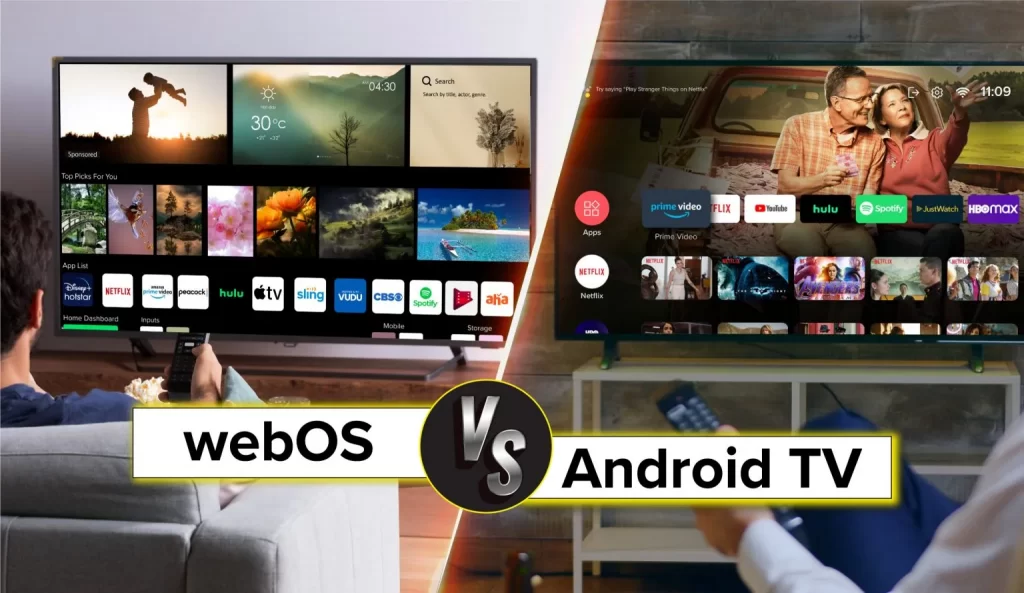
Connected TV has become a central component of OTT distribution strategies. With over 70% of the U.S. population streaming content through CTV devices, TV apps are no longer a secondary channel but a primary driver of watch time and revenue.
Within this landscape, choosing the right television operating system is a critical distribution decision. Platforms like Android TV and webOS power millions of smart TVs worldwide, but they offer fundamentally different ecosystems, development workflows, and monetization opportunities.
This blog highlights the key differences between webOS and Android TV, helping you determine which operating system is best suited for your content distribution strategy.
- Fully Customizable
- Lifetime Ownership
- On-Premise/On-Cloud
- 100% White-label
- Zero Revenue Share
- Hire Developers
Understanding webOS as a Content Distribution Platform
WebOS is a Linux-based operating system powering LG’s connected TV ecosystem. From a content distribution perspective, webOS serves as the gateway through which OTT platforms, broadcasters, and media companies deliver their video content to LG Smart TV users.
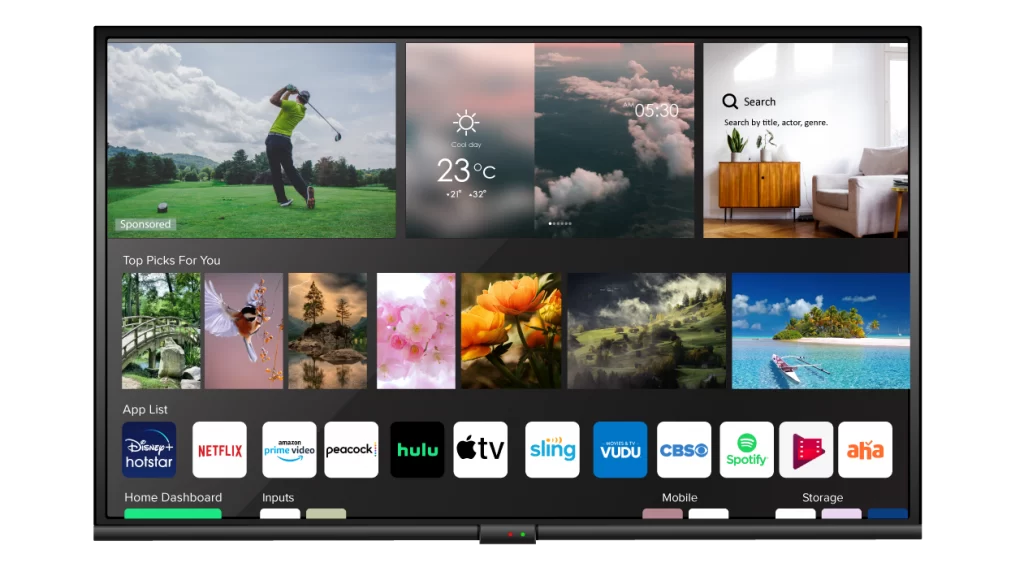
As a content distribution system, webOS offers a controlled pathway to reach LG Smart TV audiences. Its manufacturer-led ecosystem prioritizes platform stability and curated distribution, making it well-suited for content owners seeking focused reach and predictable operational requirements.
webOS is widely adopted by content owners, media companies, and content distribution solution providers because of these capabilities:
* Interface Design: webOS’s interface prioritizes content-led navigation for a frictionless video experience. This encourages repeat viewing among the viewers for OTT and media applications.
* Native CMS: webOS offers a native video content management system for building, managing, and displaying video content. For content owners, this reduces time-to-publish and enables more agile programming strategies.
Overall, webOS provides a controlled and consistent environment for content distribution on LG Smart TVs. It offers media companies a predictable pathway to reach defined connected-TV audiences, while operating within a tightly managed platform ecosystem.
Understanding Android TV’s Role in Content Distribution
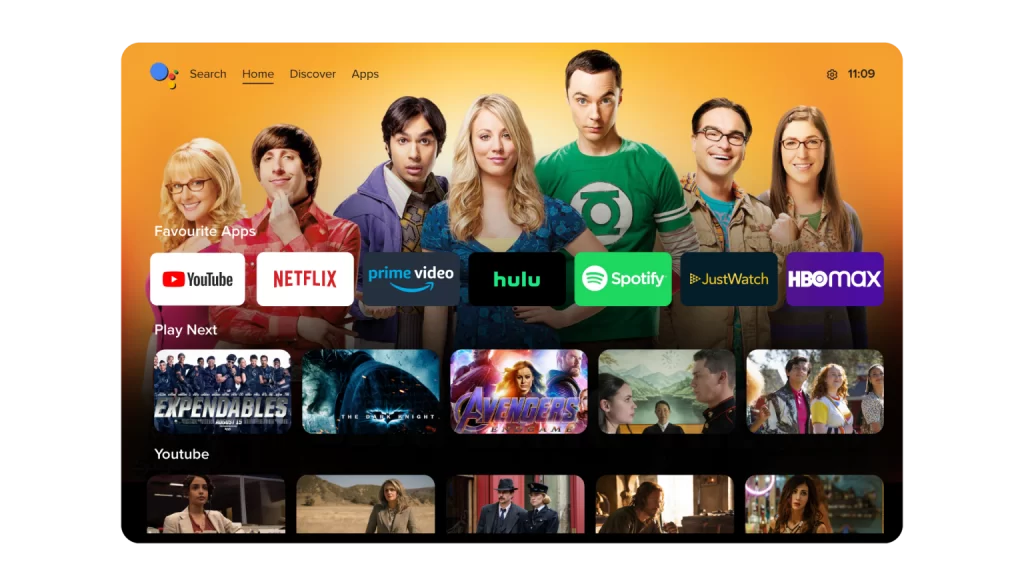
Android TV is a Google-backed television operating system designed to power a wide range of connected TV devices across multiple manufacturers. This operating system (OS) functions as a multi-OEM platform that enables OTT platforms and media companies to reach audiences across smart TVs.
At its core, Android TV operates as a platform-led ecosystem rather than a manufacturer-specific one. Unlike webOS, which is tied exclusively to a single TV brand, Android TV is licensed to a wide range of device manufacturers, enabling content distribution across a diverse set of hardware environments.
Also Read : How to Create Android TV App?
Android TV is widely adopted by content distribution companies, broadcasters, and media-tech enterprises because of these capabilities:
* Cross-Device Presence: Android TV isn’t a dedicated smart TV app, but a single footprint across multiple devices like smart TVs, set-top boxes, and operator-controlled devices. This enables content owners to maintain a wide presence across ecosystems.
* Custom UI Layers: Android TV supports a high degree of customization, enabling media companies to align the TV app experience with their broader brand identity.
Overall, Android TV prioritizes scale, flexibility, and cross-device reach. Its multi-OEM model supports rapid market expansion, while introducing operational considerations that differ from manufacturer-led platforms such as webOS.


Key Differences Between WebOS and Android TV for Content Distribution
Considering smart TV operating systems, the choices between WebOS and Android TV have become central to content distribution.
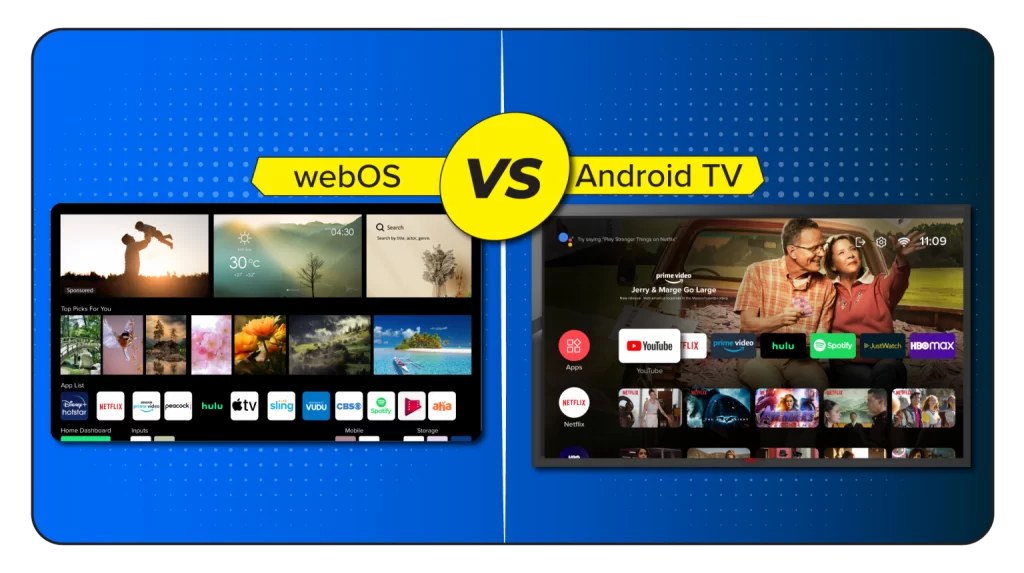
These two platforms, each with its unique features and functionalities, cater to diverse preferences and needs.
1) Distribution Model & Ecosystem Control
As we saw earlier, webOS is owned and operated by LG, and most often powers LG smart TVs. For content owners, this invariably means they can launch and publish video content and smart TV apps into a single-brand ecosystem.
On the other hand, despite Google controlling the core operating system, Android TV is used by many different manufacturers. This invariably means a larger pie (for share) and effective video monetization for content owners, broadcasters, and media companies.
There isn’t a clear favorite (based on this parameter), as both webOS and Android TV support different content distribution goals.
2) Audience Reach & Market Expansion
Reiterating, webOS is meant specifically for the LG Smart TV ecosystem. This means media companies and content owners get access to roughly 16% of the market share, often in markets where LG has a strong presence.
On the contrary, Android TV is meant for multiple devices. This means content owners and broadcasters get access to almost 41% of the smart TV market share, often in markets where multiple manufacturers dominate.
webOS limits content distribution to a single manufacturer’s audience base. Expanding the reach beyond LG smart TVs requires additional integrations, efforts, and budget. However, Android TV facilitates multiple distribution channels for businesses to scale quickly.
3) App Distribution and Discoverability
LG content store, a dedicated app store in LG smart TVs, distributes content apps within a single ecosystem. The number of competing apps is relatively limited compared to broader platforms. This controlled distribution approach facilitates consistent visibility among LG smart TV users.
On the contrary, the Google Play Store is the dedicated app store for Android TV. The number of competing apps is relatively higher than LG’s ecosystem. While this offers greater exposure, it also means discoverability is influenced by platform algorithms, search behavior, and category competition.
These differences in app distribution shape how content platforms plan launches, manage visibility, and compete for viewer attention across connected TVs.
4) Monetization Readiness
webOS allows video monetization in a controlled environment. Content apps on webOS support common monetization models like subscriptions (SVOD) and ad-supported viewing (AVOD). Because webOS serves a defined device base, monetization efforts are more focused and aligned. This most often works for content owners or media companies targeting specific markets.
Android TV is designed for monetization at scale. Its presence across multiple TV brands allows content owners to monetize across a broader audience. Similar to webOS, Android TV also supports a wide range of advertising and subscription integrations.
The only thing content owners should be wary of: since Android TV is powering a diverse ecosystem and you’re dealing with multiple devices, managing monetization demands extra care.
5) Operational Complexity
With webOS, operational complexity is usually predictable, as content owners or any stakeholders (for that matter) have to deal with limited device variations. On the other hand, with Android TV, operational complexity is comparatively higher due to many device variations.
On the technical side, content owners have to deal with fewer hardware configurations and simpler quality assurance processes with webOS. With Android TV, however, they deal with implications such as broader device testing, performance optimization, and system customizations.
Conclusion
Choosing between webOS and Android TV is a question of content distribution strategy rather than platform capability. Each operating system brings your video content closer to its intended audience in its own way.
webOS is a beacon of a more controlled distribution environment within a single-brand ecosystem, while Android TV enables broader reach across a diverse range of devices and markets.
Understanding subtle differences between webOS and Android TV helps content owners and media companies make informed decisions based on their content strategy and technical resources.
- Request Demo Book a Live, Personalized Demo
- Contact Sales Reach Out to Our OTT Experts
Frequently Asked Questions (FAQ)
1. What is LG WebOS?
LG WebOS is a Linux kernel-based multitasking operating system for smart TVs that are designed to offer control and access to more complex LG Smart TV capabilities and connected devices via a graphical user interface (GUI). In addition to that, WebOS has a more basic approach to UI, navigation, and so on.
2. What is Android TV?
An Android TV is just a television that runs the Android operating system. When compared with traditional Smart TVs, Android TV clearly outperforms them as it gives you access to the Google Play store, where you can download and update the most recent app versions. With Android TV, you can easily cast photographs, movies, music, and other content from your favorite device onto your TV.
3. What are the advantages of LG WebOS?
LG’s webOS is widely regarded as one of the best platforms as it delivers what you want, when you want it, and without fuss. Everything from news to sports to entertainment will be at your fingertips. If you have a newer version of webOS, you may enjoy features like content recommendations and the Netflix-like cards interface.
4. What are the advantages of Android TV?
With Android TV, you get a lot more functionality and a lot more stuff to view; it even allows you to download games on your TV, making it more than just a normal TV. Not only do you get Google and YouTube with Android TV, but you can also watch shows on Netflix, Amazon Prime, and any other service that you enjoy.
5. What is the difference between LG WebOs and Android TV?
Simply put, Android TV is the most widely distributed of the two operating systems. Android TV is available on devices, including streaming sticks, set-top boxes, etc. WebOS, on the other hand, is currently exclusive to only LG smart TVs. However, change is on the way as LG has begun preparing to collaborate with other manufacturers to have the OS installed on other television models as well.
6. How does LG WebOS work?
LG WebOS works in such a way that it allows you to engage with the Smart TV and allows the TV to do what you want it to. This involves using a graphical user interface to operate and access more advanced capabilities and connected devices (GUI). Other functions include browsing apps for installation, executing apps, and running the TV itself.

Blogger & OTT Expert at VPlayed. Interested in digging deep into video streaming media tools, blog, discuss and share views on the legal OTT solution' & latest technologies tips, and tricks. Also passionate about photography loves to capture the pure essence of life.