Summarize this article in:


- Pay Per View (PPV) is a video monetization strategy that allows users to pay once and view particular live events, films, sports games, webinars, or higher-quality video content.
- This blog helps you understand the basics of PPV streaming, how it works, why it is beneficial for creators and consumers, and how to set up and run pay-per-view video events.
- It also specifies key considerations to consider when selecting a PPV platform, such as monetization options, video protection, payment integration, scalability, and multi-device streaming support.
Video monetization revolved around tiered plans or third-party ads until the pay-per-view streaming concept kicked in. The pay-per-view model democratizes content distribution, placing complete control in the hands of content creators, broadcasters, and content owners. Video monetization has gained mainstream acceptance, so that only tiered plans or ads are no longer necessary.
Put your content behind a pay-per-view model, and then relish the control it offers over your content and revenue. Content creators are already flocking towards this, as the global pay-per-view (TVOD) market is projected to reach $14.39bn by 2030. The report, according to Statista, says that the pay-per-view market is increasingly embracing exclusive content and live events.
In this blog, let’s explore how pay-per-view (PPV) works, the benefits of the PPV model, and how to get started with pay-per-view video streaming.
- Fully Customizable
- Lifetime Ownership
- On-Premise/On-Cloud
- 100% White-label
- Zero Revenue Share
- Hire Developers
Start With the Streaming Basics
Understanding the basics of what is video monetization can make the implementation process far more effective.
What is Pay Per View?
PPV is an online video monetization model where viewers pay (often, a one-time fee) for the specific content they watch. The specific content can be live concerts, live webinars, sporting events, or any exclusive events.
If you’ve ever paid a one-time fee to watch a Premier League or an NBA match, you have already experienced pay-per-view (PPV) in action. Unlike tiered subscription plans, PPV gives complete freedom for viewers to choose the content they wish to pay for. Pay-per-view is prevalent among content creators who wish to monetize their exclusive, high-value content..

How Does Pay-per-view (PPV) Work?
Pay per view works by letting viewers access pay-per-view content to watch on a specific channel for a fee. Users typically make a pre-established payment to gain access to a specific piece of content.
Once the transaction/payment is done, users get an exclusive code or link. This gives them access to the stream. It is kind of a win-win situation for both viewers and streaming firms.
Users get to watch individual, exclusive events via private telecast with a more personalized and secure viewing experience in pay-per-view online.
Meanwhile, companies benefit because they can charge for only that piece of exclusive content.
Here, you may have a question regarding privacy and unauthorized access. The answer to this—Technically, PPV streaming platforms use strong encryption protocols to safeguard the content.
This security measure makes sure that the organizers and content producers can monetize or sell videos online and extract every single penny.
On the other hand, it also allows individuals with valid purchase records to join in the streamed experience.
Benefits of Pay-per-view over other Monetization Models
The single most beneficial aspect of PPV model is its non-committal nature, allowing viewers to choose what to pay for, unlike subscription plans, which require viewers to pay for extensive libraries as a bundle. But there’s much more to the beneficial angle of PPV streaming:
For Content Creators
1) Direct and Scalable Revenue
Pay-per-view gives creators a straightforward way to earn money from each viewer who accesses their content. Instead of relying on ads or uncertain subscription numbers, creators make money for every purchase. As your content reaches viewers, your earnings increase proportionally, making PPV a predictable and sustainable monetization method.
Did you know?
Live events boast the biggest PPV potential. WWE’s WrestleMania XXIV crossed 1 million PPV purchases, resulting in revenue of around $23.8 million. This example shows how scalable the model can be.
2) High ROI
The PPV model helps independent content creators achieve a higher return-on-investment (ROI) because revenue comes directly from audience purchases. Since you control the pricing, you can set rates that match the value of your content, whether it’s a live streaming event, workshop, or exclusive release. This makes PPV especially effective for creators who want a faster and more predictable path to recovering their costs.
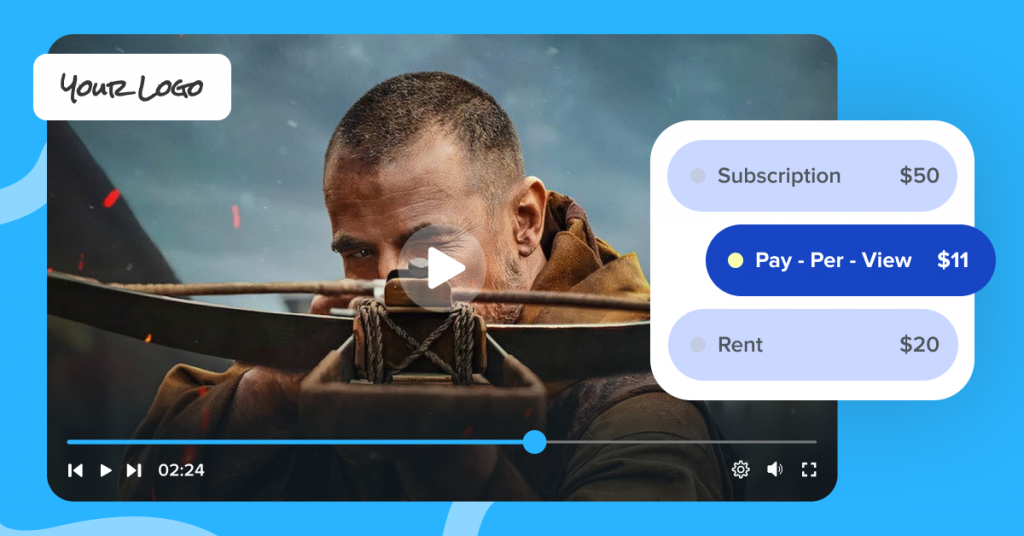
3) Content Control
Content creators and broadcasters maintain full control over content distribution, pricing, and access control. You decide what content to put behind the pay-per-view model, how long can viewers access it, and whether the content is available on-demand or not. While exploring pay per view meaning, creators understand this core flexibility, and dictate terms on their wish.
4) Targeted Audience Engagement
PPV model puts your content before the intended audience who are willing to pay for access. This means you’re reaching an audience that is more engaged, attentive, and likely to interact with your work. Since you control access, you can engage paying viewers with real-time chat, Q&A sessions, or post-event discussions.


For Viewers
1) Flexibility
PPV gives viewers full control over what they want to watch and when they want to watch it. Instead of paying for a monthly subscription or a bundle of content they may never use, viewers only pay for the specific event, movie, or program they’re interested in. This makes the viewing experience more personal and cost-effective, especially for those who prefer occasional premium content rather than continuous access.
2) Ad-Free Streaming
With PPV, viewers can enjoy content without ads, pop-ups, or other interruptions that spoil the viewing experience. Since the content is paid for upfront, there’s no need for ad placements or mid-roll breaks. This creates a smoother, more immersive environment for live events, movies, or any content where uninterrupted attention matters.
3) Access to Exclusive Content
PPV often features content that isn’t available on free platforms or regular streaming services. Viewers gain access to special events, behind-the-scenes footage, premium releases, and limited-time broadcasts that are reserved exclusively for paying audiences. This exclusivity makes the experience feel more valuable and gives viewers the chance to watch unique content they can’t find elsewhere.
How To Get Started With Pay-Per-View Streaming?
Getting started with the PPV approach begins with creating a pay per view website, customizing it, integrating payment systems, uploading exclusive content, and promoting it through targeted campaigns.

Step 1: Choose a Pay-Per-View Streaming Platform
The first step in launching a PPV setup is selecting an OTT video platforms that supports pay-per-view video hosting and monetization. You should also consider essential features like complete content ownership, content delivery network (CDN), DRM security, platform customization, multi-device streaming, and multiple monetization models.
Build a feature-rich PPV Streaming Platform with infrastructure designed for performance and monetization.
Step 2: Set Up and Monetize Your Content
Once you’ve chosen your platform, the next step is to prepare your content for pay-per-view access. This includes content upload, organizing it into categories or collections, setting clear titles, descriptions, and audience targeting. Once the content is ready, decide on the optimal pricing strategy. For example, offering multi-tiered pricing plans is a smart move.
Step 3: Launch and Manage Your Pay-Per-View Events
After your content and pricing are ready, the next step is to launch your PPV event (for instance, live event streaming) and manage its performance. Schedule the event date and time, set viewer access rules, and ensure everything is tested, including global accessibility and multi-device delivery. Once the event goes live, monitor content performance, viewer activity, engagement, and any technical issues that may arise.
Most pay per view platforms come with real-time analytics, helping in performance tracking, viewer behavior monitoring, and ensuring a smooth PPV experience for the audience.
Things To Consider Before Choosing Your Pay-Per-View Platform
Pay-per-view monetization is tricky. Pay per view video platforms dilute the complexity of the process significantly and reduce the associated costs.
The market for pay-per-view platforms is sizable, with a handful of options. Choosing the best pay per view video platform should factor in the following considerations:
1) Monetization and Revenue Share
When choosing a PPV streaming platform, the first thing to evaluate is how much revenue control you retain. Some generic platforms demand a percentage of every transaction you make, while certain platforms (for instance, VPlayed) allow you to retain complete earnings.
But how do we know that, you may wonder. Ensure that the platform’s monetization policy is transparent and supports pricing flexibility. If you want full branding freedom, look for white-label ownership, which helps you build a professional identity without third-party branding.
Find the Right Monetization Platform to Launch Faster
Create a future-ready video monetization platform with infrastructure built for performance and scalability.
2) Content Management and Delivery
Content management is the cornerstone of evaluating a PPV video platform because of its essential characteristics that define the efficient usage of videos. A reliable PPV platform should offer a strong Content Management System that makes it easy to organize, update, and control your videos. Features like structured media library and upload automation are a must-have.
On the content delivery side, the platform should use a content delivery network (CDN) to ensure fast, stable video hosting and smooth playback for viewers. Moreover, stream optimization is non-negotiable for buffering-free live or on-demand viewing experience.
Explore the Core of Content Management System
More details on the Video Content Management System fundamentals that support successful platform development.
3) Multi-Device Compatibility
When choosing a PPV platform, it’s essential to exhibit your content across different devices. Viewers today expect cross-platform streaming, whether they’re watching on a laptop, phone, or smart TV. This means the platform should deliver consistent quality through proper device optimization, without any manual interventions.
But how do you know if a platform truly supports this? Look for a responsive, HTML5-based video player that automatically adapts to different screens and devices. You should also verify whether the service offers OTT app integration, especially for Android TV and dedicated mobile apps like an iOS app. These additions make your content accessible anywhere, giving viewers the freedom to watch however they prefer.
4) Security and Access Control
Security lays the foundation for the most successful pay-per-view video content. Firstly, the ideal PPV platform should have digital rights management (DRM) that safeguards exclusivity of the content against illegal distribution and unauthorized downloads. Secondly, we cannot exclude AES encryption, which protects video files during delivery and ensures secure playback across devices.
But how do you make sure only the right viewers can access your content? Look for token authentication, which verifies each viewing session, and geo-blocking, which limits access to specific countries or regions if needed. Some platforms even allow license control that defines how long a viewer can watch the content or how many devices they can use.
5) Payment Gateway Integration
A seamless payment setup is crucial for any PPV platform. You’ll need a reliable payment gateway that supports fast and secure transactions for viewers. This is where multi-currency support becomes important, ensuring that international audiences can pay in their local currencies without extra hurdles.
6) Scalability and White-Label Control
As your audience grows, your PPV platform should be able to grow with you. This is why a scalable OTT infrastructure is essential. Platforms that rely on robust cloud hosting and multi-tenant architecture can typically handle large traffic loads without compromising performance.
But what about controlling how your platform looks and feels? That’s where choosing a white-label platform becomes important. White-labeling lets you build your own brand identity without external logos or third-party visuals getting in the way.
Build your Own White-Label Streaming Platform
Explore a white-label streaming platform built to help businesses launch and scale their streaming services.
📢Conclusion:
Pay-per-view (PPV) shifts the focus from volume to value, ensuring that viewers pay for content they genuinely consider worthwhile. While exclusivity plays a major role in this model, choosing the ideal PPV platform is the linchpin.
Getting started with PPV streaming begins with a reliable platform like VPlayed, optimizing the right pricing points, and exhibiting exclusivity with security protocols, which ultimately leads to protected revenue.
Above all, create content that viewers find something to connect with; if not, you’re not going to succeed in persuading them to pay premium rates. Viewers pay for experiences that feel meaningful, unique, and relevant. If your content manages to deliver that, persuading viewers becomes a natural outcome.
- Request Demo Book a Live, Personalized Demo
- Contact Sales Reach Out to Our OTT Experts
Frequently Asked Questions (FAQ):
1. What is pay-per-view streaming?
Pay-per-view streaming is basically when you pay a fee to watch a specific event or content, like a big cricket match or concert, just one time. No subscriptions, no long-term commitment, just pay for what you wanna see.
2. How does pay per view (PPV) streaming work?
Pay-per-view streaming works by charging viewers a fee to access and watch specific content for a limited time period. The content can be accessed through a streaming platform or website, and the viewer is usually required to create an account and provide payment information before being able to access the content.
3. What kind of content is typically available through pay-per-view streaming?
Pay-per-view streaming typically offers access to live events such as concerts, sports games, and other performances. However, some streaming services may also offer access to on-demand movies and TV shows on a pay-per-view basis.
4. How much does pay per view video streaming cost?
The cost of pay-per-view streaming varies depending on the content and the platform. Typically, the cost ranges from a few dollars to several hundred dollars for premium events.
5. Can I watch pay-per-view streaming on multiple devices?
Ah, tricky one. Some platforms are cool with you watching on multiple devices, but others might be strict and allow only one device per purchase. Always check before you pay.
6. How do I get access to pay-per-view streaming?
You can find PPV content on platforms like Amazon Prime Video, Hulu, or even through your cable or satellite TV providers. Just head over to their website or app, and you will see the PPV options lined up for you.
People Frequently Read:

Senior Analyst specializing in Online video platforms, OTT, VOD, and white label video streaming solutions. Expert in analyzing industry trends, technologies, and monetization strategies to help businesses optimize their streaming services. Passionate about innovation and the evolving digital video landscape.