Summarize this article in:


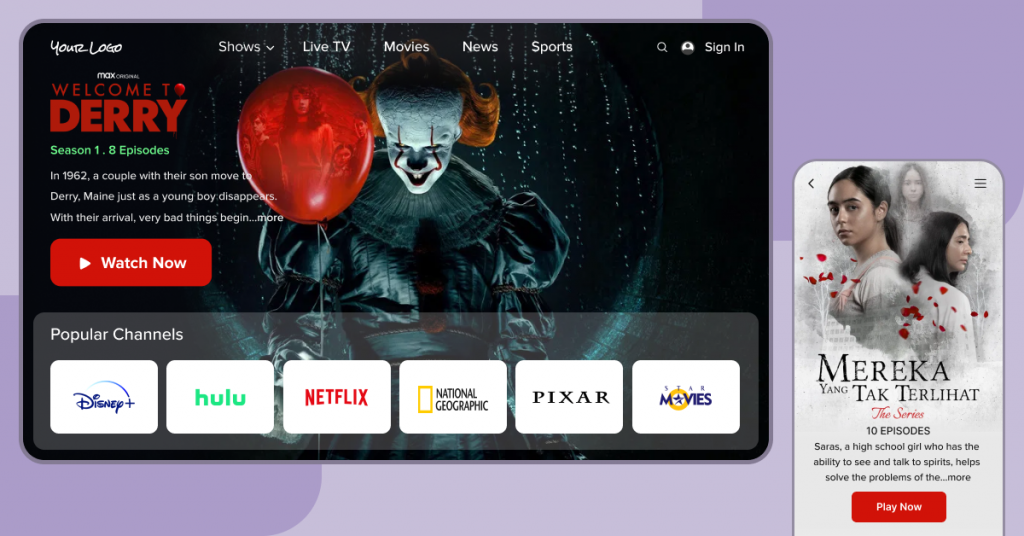
- BVOD (Broadcaster Video On Demand) is a type of streaming service over the Internet that allows traditional broadcasters to offer live TV and on-demand content via devices with Internet connections and ad-supported viewing.
- Learn about the top advantages of BVOD advertising in 2026, such as sophisticated targeting, high-quality ad placements, enhanced viewer engagement, and scalable monetization opportunities.
- Get to know the differences between BVOD, SVOD, TVOD, and AVOD and learn about the viewer access, advertising models, and content delivery in the modern streaming landscape.
The way audiences watch television has transformed. Scheduled viewing is giving way to on-demand consumption, yet the trust, scale, and storytelling power of broadcast TV still hold strong. For advertisers in 2026, this shift presents both a challenge and an opportunity: how to reach high-quality audiences in a fragmented streaming landscape without sacrificing brand safety or measurable outcomes.
This is where Broadcaster Video on Demand (BVOD) steps in. BVOD allows traditional broadcasters to deliver their premium TV content through digital, on-demand platforms. It combines the credibility of broadcast television with the targeting, measurement, and flexibility of digital advertising.
As ad-supported streaming matures and privacy-first advertising becomes the norm, BVOD has emerged as one of the most effective channels for brands looking to drive attention, recall, and performance at scale.
This blog explores what BVOD is, why it matters for advertising, and how it differs from other video on demand (VOD) options.
- Fully Customizable
- Lifetime Ownership
- On-Premise/On-Cloud
- 100% White-label
- Zero Revenue Share
- Hire Developers
What is BVOD?
BVOD (Broadcaster Video On Demand) is a streaming model from traditional TV networks that lets users watch video content (movies, shows, etc.). BVOD fundamentally shifts control to the viewer, allowing them to access content at their convenience through catch-up TV services for free, supported by ads.
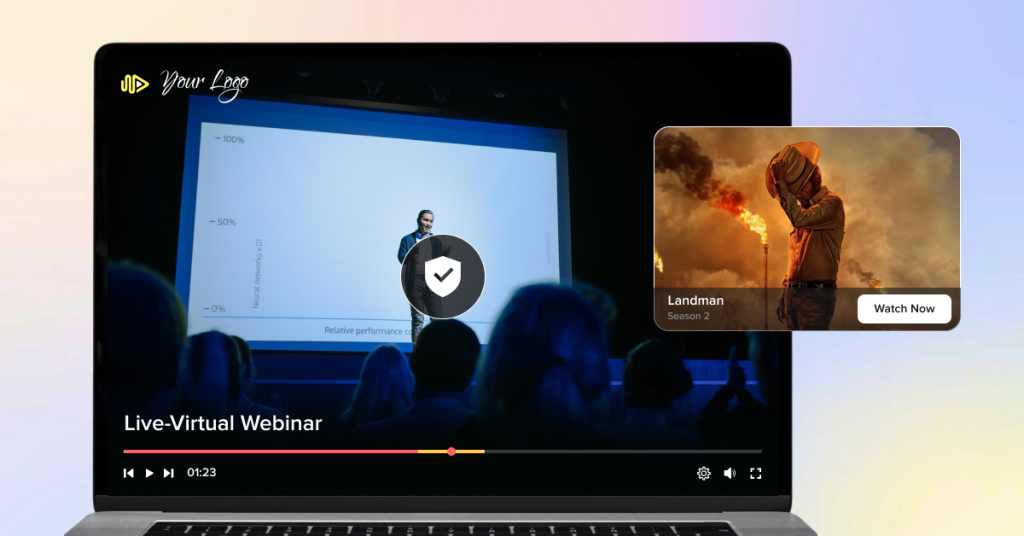
Similar to YouTube, BVOD offers access to an extensive content library at no cost, but with ads indexed throughout. From the advertiser’s standpoint, BVOD offers better control and precision targeting. Rather than procuring broader TV spots, advertisers can place ads on the most-watched content while leveraging real-time data.
Popular examples of BVOD include BBC iPlayer, ITVX, My5, and more. While BVOD can remind you of the advertising video on demand platform (AVOD), the traditional broadcasters see BVOD as an extension to their existing services.
Start With the Video on Demand Basics
A clearer understanding of what is video on demand helps ensure a stronger implementation strategy.
Are You Planning To Start Your Own BVOD Platform?
What are the Benefits Of BVOD Advertising?
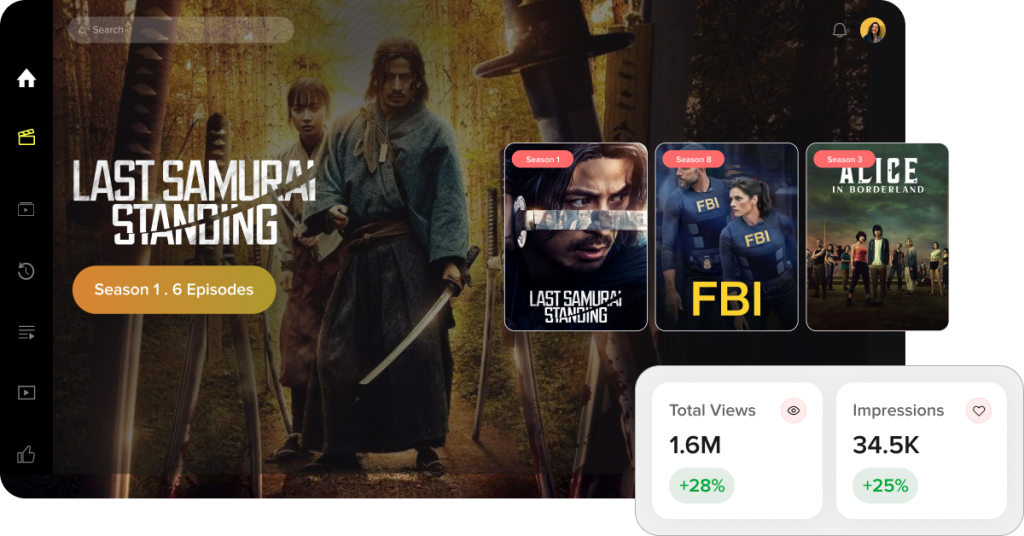
BVOD advertising works primarily with the perfect blend of broadcast content (shows, movies, etc.) and digital flexibility, empowered by a powerful video streaming platform. Advertisers and broadcasters benefit from precise audience segmentation, data-driven insights, higher viewer engagement, and flexible ad formats across connected TVs (CTV) and other devices.
Content Management
At the core of BVOD lies robust content management, enabling broadcasters to organize, distribute, and monetize premium programming while giving advertisers consistent, high-quality inventory across on-demand environments.
Professional Production
BVOD inventory comes from broadcasters that invest heavily in professional-grade production. This ensures viewers engage with studio-grade content in a lean-back, TV-like environment, often on large screens and shared household devices.
This original programming translates into higher attention and stronger ad recall. Ads are placed alongside professionally produced programs that audiences trust. As a result, BVOD consistently delivers premium ad environments where brands can communicate with confidence, clarity, and impact.
Know the Technology Clearly
Before implementing these strategies, understand the foundational concepts of What is Video Content Management System?
Extended Lifespan
Unlike linear tv broadcasting, where the content disappears after the scheduled slot, BVOD facilitates content reusability beyond its original airtime. This facilitates long-tail content value, where broadcasters generate viewership and advertisers leverage consistent ad inventories.
This extended lifespan through catch-up viewing means greater flexibility and sustained reach for advertisers. Ad campaigns are no longer limited to narrow broadcast windows; rather, they can be optimized for premium content based on the audience’s convenience.
Distribution and Technology
From connected TVs to mobile apps, BVOD’s distribution and technology stack determines how content is delivered, ads are inserted, and performance is measured.
Multi-Device Accessibility
BVOD platforms offer seamless cross-device streaming, delivering content across smart TVs, mobile phones, tablets, and desktops. Multi-device accessibility unlocks consistent, addressable reach across screens for advertisers. Campaigns can follow audiences across devices (for instance, tablet streaming) while maintaining frequency control and standardized ad formats.
Adaptive Streaming
Broadcaster video on demand (BVOD) platforms with adaptive streaming technology play a crucial role in ad viewability and completion rates. When content streams reliably, ads are less likely to be skipped or abandoned due to technical issues.
Adaptive bitrate streaming, as y’all may already know, is a technology that automatically adjusts video quality based on a viewer’s internet connection and device capabilities. (just, FYI)
Monetization and Revenue
Monetization and revenue in BVOD determine how premium content is translated into high-impact advertising opportunities across on-demand viewing environments.
Advertising-Funded (AVOD Model)
As the name implies, BVOD continues to resist any form of subscriptions, while placing the best AVOD platforms at the helm. The advertisement-funded broadcaster VOD approach is the best bet for advertisers and broadcasters, as they can scale ad inventories at any time. Also, from the monetization front, broadcasters can monetize their videos while keeping paywalls at bay.
Understanding what it is helps and now compare the top AVOD platforms delivering these features.
Licensing and Revenue Share
BVOD platforms often operate on licensing and revenue-sharing arrangements. Platforms such as ITVX and Channel 4’s All 4 in the United Kingdom follow this approach: they make broadcaster content available on demand and monetize videos through advertising. While the platform owners generate revenue from their infrastructure and BVOD advertising, the broadcasters get a share of the ad revenue generated.


How does BVOD Works?
From a viewer’s perspective, BVOD focuses on convenience, choice, and seamless access to broadcast-quality content.
Content Access
First and foremost, BVOD promotes free streaming with ads. Plus, with catch-up TV services, viewers can discover video content beyond its original broadcast. This access is typically delivered through broadcaster-owned apps and websites, available across smart TVs, mobile devices, and desktops. Video content in a BVOD setup, often managed through a video content management system, ensures proper encoding, metadata tagging, and video categorization for easy discoverability.
Watch On-Demand/Live
BVOD gives viewers the flexibility to switch seamlessly between on-demand viewing and live TV streaming within the same platform. Features such as pause and resume viewing make BVOD more adaptable to everyday schedules. As non-intrusive ads are placed at natural break points, the viewing experience largely remains unaffected.
More details on what is live streaming helps you evaluate the technology more effectively.
Benefits of BVOD Advertising
By combining broadcaster-controlled content, advanced delivery technology, and engaged viewers, BVOD unlocks a distinct set of advantages for advertisers in today’s on-demand landscape.
* Precise Targeting: BVOD enables addressable advertising, allowing brands to reach specific households or viewer segments. This approach supports demographic-based ads that align messaging with factors such as age groups, location, and viewing behavior.
* Cross-Device Reach: BVOD advertising promotes connected TV reach, as a video advertising platform can facilitate mobile-to-TV continuity at scale. This omnichannel advertising provides advertisers with a scalable way to connect while broadcasters ensure maximum reach.
* Measurable & Trackable: With built-in campaign analytics, advertisers can monitor how ads are delivered and how audiences engage across devices and formats. Through consistent performance tracking, advertisers can optimize frequency, placements, and creativity over time.
* Enhanced Performance: BVOD consistently delivers better ad recall compared to cluttered or interruptive digital formats. For advertisers, this translates into more effective brand storytelling, stronger message retention, and improved campaign outcomes.
Together, these benefits position BVOD as one of the most effective and future-ready advertising channels for advertisers and brands, and an effective content distribution channel for broadcasters.
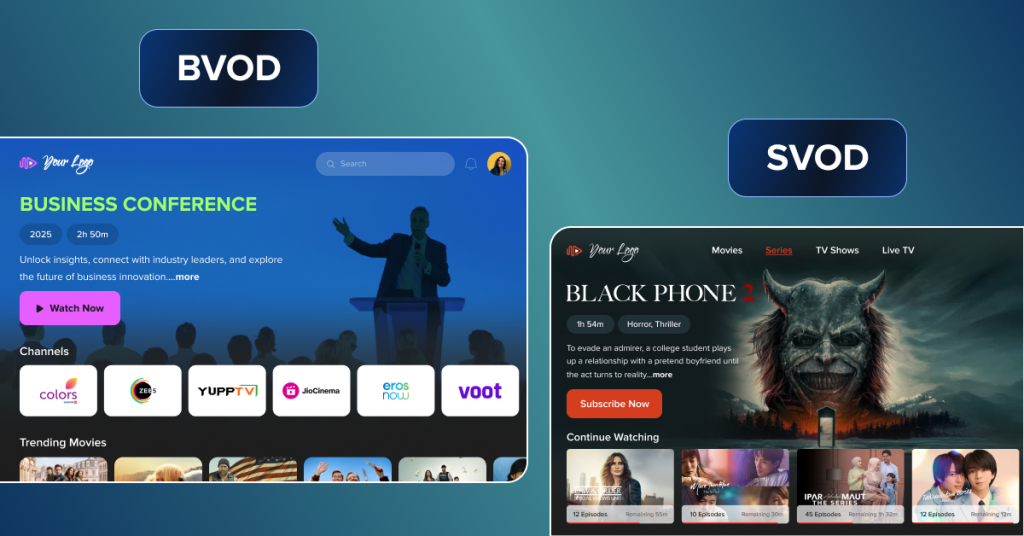
BVOD (Broadcaster Video on Demand) is ad-supported and free, delivering content from TV broadcasters online, whereas SVOD (Subscription Video on Demand) offers an ad-free experience to movies & TV shows with a VOD platform subscription fee. Let’s now look at a detailed comparison of BVOD vs SVOD and see what fits for whom.
If you’re planning to launch your own Video on Demand service, explore how to build a video on demand website from the ground up.
BVOD vs SVOD vs TVOD vs AVOD: A Simple Breakdown
* SVOD (Subscription Video On Demand): Streaming model that requires a recurring subscription fee for content access. Platforms like Netflix, Prime Video, and Disney+ offer on-demand access to a large library of movies, TV shows, and exclusive content.
Discover Platforms That Match Your Needs
Now that the implementation workflow is clear, check the best SVOD platforms for your use case.
* AVOD (Ad-Supported Video On Demand): Streaming model that offers video content for free in exchange for viewing ads. Platforms like YouTube, Tubi, and Hulu offer free content access through commercials shown before, during, or after videos.
* TVOD (Transactional Video On Demand): Streaming model that offers time-limited access for specific video content for a one-time fee. Unlike subscription platforms, the pay per view video platform offer rental options to a specific content (can be a movie, live show, etc.).
Take the next step by exploring the Top Pay per view Platforms offering these capabilities.
The SVOD model works best for those who want to build a loyal and thriving community. AVOD model works best for independent content creators and budding broadcasters who wish to build a large user base with free content access. TVOD is suitable for those who own exclusive premium content.
BVOD, as we’ve mentioned earlier in the blog, sits right at the intersection of traditional TV elegance and digital viewing flexibility. BVOD platforms keep advertisers in the revenue loop with catch-up TV services and on-demand access.
Conclusion
BVOD is often seen as the holy grail for media companies and broadcasters looking to scale. It brings together the reach, trust, and storytelling power of traditional television, combined with the flexibility, targeting, and measurement of modern digital platforms.
Throughout this blog, we’ve seen how BVOD works across the entire ecosystem. Broadcasters retain control over premium content while extending its lifespan beyond live TV.
Advertisers gain access to brand-safe environments, precise targeting, cross-device reach, and measurable performance. Viewers benefit from on-demand access, live streaming options, and a more flexible, user-friendly viewing experience.
- Request Demo Book a Live, Personalized Demo
- Contact Sales Reach Out to Our OTT Experts

Senior Analyst specializing in Online video platforms, OTT, VOD, and white label video streaming solutions. Expert in analyzing industry trends, technologies, and monetization strategies to help businesses optimize their streaming services. Passionate about innovation and the evolving digital video landscape.