Summarize this article in:


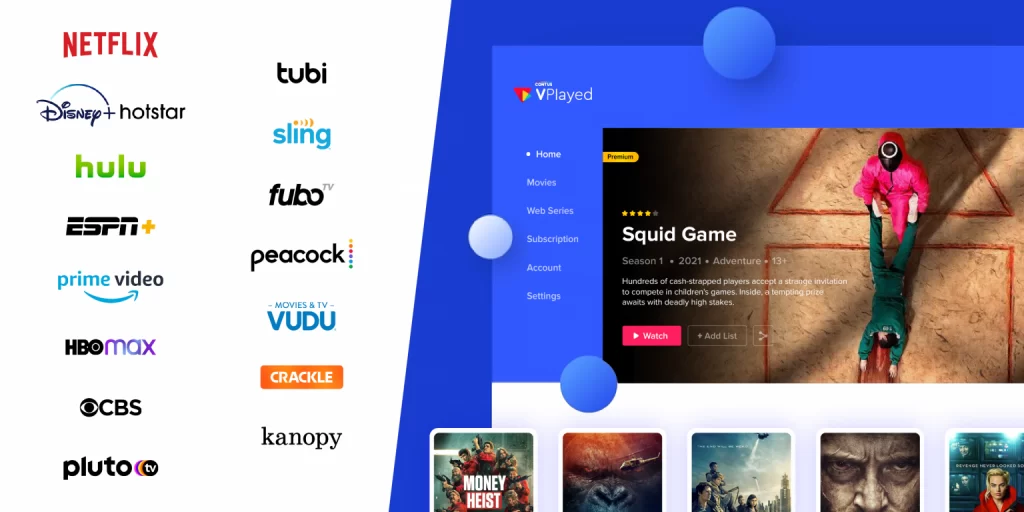
OTT Streaming services have a clear priority these days: retaining subscribers (i.e., reducing churn rate). The Parks Associates’ report highlights that the annual churn rate for streaming services stands at 47%.
This shift is beyond the change in viewing habits. It’s a consistent process of how an OTT platform connects with its audiences.
Streaming services strive to align content strategies with evolving viewer demands and a greater emphasis on financial returns.
For subscribers, this translates into a simple question: which OTT services actually deliver the best value? To help answer that, here’s a look at the best OTT streaming services and what makes them stand out.
- Fully Customizable
- Lifetime Ownership
- On-Premise/On-Cloud
- 100% White-label
- Zero Revenue Share
- Hire Developers
15 Best OTT Streaming Services – Quick Comparision
| Streaming Service | Pricing Plans | Simultaneous Streams | Monetization Type | Supported Devices |
| 1. Netflix | Standard with ads: $8.99/month Standard: $19.99/month Premium: $26.99/month | 2 to 4 streams | Hybrid: SVOD+ AVOD | Smart TVs, Roku, Fire TV, Apple TV, Chromecast, Amazon Fire TV, PlayStation, Xbox, Apple Vision Pro |
| 2. Disney+ | Disney+: $11.99/month Disney+ Premium: $18.99/monthAnnual: $189.99 | Supports up to 10 devices in the premium plan | Hybrid: SVOD+ AVOD+ TVOD | Smart TVs, Roku, Fire TV, Apple TV, Chromecast, Xfinity/Cox boxes, PlayStation, Xbox |
| 3. Hulu | Hulu: $11.99 Student monthly: $1.99 Annual: $119.99 Hulu Premium: $18.99/month Hulu add-ons for extra members start at $6.99 | 2 streams(Unlimited upgrade available) | Hybrid(SVOD + AVOD + Live TV) | Smart TVs, Roku, Fire TV, Apple TV, Chromecast, PlayStation, and Xbox. |
| 4. ESPN+ | $11.99 | 3 streams | Hybrid: (SVOD + PPV + AVOD | Smart TVs, Roku, Fire TV, Apple TV, Xbox, PlayStation, Android phones/tablets, Google Chromecast |
| 5. Amazon Prime Video | Prime Monthly: $14.99 Prime Annual: $139 Prime for Young Adults: $7.49 | 3 streams | Hybrid: (SVOD + AVOD + TVOD) | Deeply native to Amazon Fire TV. Widely available on Roku, Apple TV, Google TV, Smart TVs, PlayStation, and Xbox |
| 6. HBO Max | Basic with ads: $10.99/month Standard: $22.99/month Premium: $22.99/month | 2 to 4 streams | Hybrid: (SVOD + AVOD + bundles and partnerships) | Roku, Fire TV, Apple TV, Google TV, major Smart TV brands, PlayStation, Xbox, and Apple Vision Pro |
| 7. Paramount+ | Paramount+ Essential starts from $8.99/month Paramount+ Premium starts from $13.99/ month | 3 streams | Hybrid: (SVOD + AVOD) | Smart TVs, Roku, Fire TV, Apple TV, Chromecast, Portal TV, PlayStation, Xbox Series X/S |
| 8. Pluto TV | Free | Unlimited | FAST / AVOD: (Free Ad-Supported TV) | Fire TV, Roku, Apple TV, iOS/Android, smart TVs (Vizio, Samsung, LG, Hisense), PlayStation, Xbox |
| 9. Tubi | Free | Unlimited | FAST / AVOD: (Free Ad-Supported TV) | Roku, Fire TV, Apple TV, Google TV, Samsung/LG/Vizio TVs, Hisense, PlayStation, Xbox, and TiVo devices |
| 10. Sling TV | Sling essential: $19/month Sling Orange: $45/month Sling Blue: $45.99/month Sling Orange & Blue: $60.99/month | 1 to 4 streams | Hybrid: (SVOD + AVOD) | Roku, Fire TV, Apple TV, Google TV, AirTV, Xbox, and built-in on Tizen/WebOS smart TVs |
| 11. Fubo TV | English Base Plans start at $84/month Spanish Base Plans start at 14.99/month | 1 to 3 streams | Hybrid: (SVOD + AVOD+ FAST) | Smart TVs, Roku, Fire TV, Apple TV, Chromecast, Android TV, and Xbox consoles |
| 12. Peacock TV | Peacock Select: $7.99/month Peacock Premium: $10.99/month Peacock Premium Plus: $16.99/month | 3 streams | Hybrid: (SVOD + AVOD+ FAST) | Roku, Fire TV, Apple TV, Hisense Vidaa TVs, Google TV, LG/Samsung Smart TVs, PlayStation, and Xbox |
| 13. Fandango at Home (Vudu) | Pay-per-title | Varies by content purchase | Hybrid: TVOD / AVOD+ Live PPV (Transactional + Ad-supported free titles) | Smart TVs, Roku, Fire TV, Apple TV, Chromecast, PlayStation, Xbox |
| 14. Kanopy TV | Free access | One device at a time | B2B institutional subscription, PPV | Roku, Fire TV, Apple TV, Chromecast, Android TV, Samsung Smart TVs, and iOS/Android mobile devices |
OTT Streaming Services That Deliver the Best Value
With dozens of streaming platforms available today, each service offers a different mix of content, pricing, and features. Some focus on original shows, while others stand out for live sports, regional content, or bundled offerings.
Here are some of the best OTT streaming services that continue to attract and retain subscribers:
1. Netflix
Stream Unlimited Movies, TV shows, and more
Starting Price: $7.99 per month (standard quality, ad-supported)
Best For: Viewers who want a wide variety of originals and global content
What Sets It Apart: Advanced recommendation engine and frequent original releases
Content Strength: Original series and international titles
Pros: Massive library, strong originals, global reach
Cons: Regular price increases, no live TV access and free trial.
Netflix remains the market leader with 327.7 million global paid subscribers at the end of 2025. The platform’s strength lies in its intuitive interface and sophisticated recommendation algorithm, which helps viewers discover content easily.
On the business side, Netflix continues to diversify its revenue streams. Advertising alone generated over $1.5 billion in 2025, reflecting the rapid growth of its ad-supported tier. If you’re curious about Netflix’s monetization strategy, here’s a detailed breakdown of how Netflix makes money.
For viewers who prefer premium quality, Netflix’s 4K streaming is available through its Premium plan, priced at around $24.99 per month in the U.S. While the platform does not offer traditional live TV channels, its recent deals to stream events like WWE signal a gradual move into live entertainment.
2. Disney+
Watch TV Shows, Movies, Specials, Live Sports
Starting Price: $11.99 per month (ad-supported plan)
Best For: Families and fans of major entertainment franchises
What Sets It Apart: Exclusive access to Disney, Marvel, Star Wars, Pixar, and National Geographic content.
Content Strength: Franchise-driven originals, animated classics, and blockbuster films.
Pros: 4K streaming, offline downloads, and competitive pricing.
Cons: Smaller library (compared to Netflix), availability of live sports only through bundles.
Disney+ ranks just behind Netflix, with approximately 132 million global paid subscribers at the end of 2025. The platform started with over 7,500 video titles and has evolved with titles from Disney, Pixar, Marvel, and many more renowned brands.
With the introduction of ad-supported tiers, bundled offerings, and price adjustments, Disney+ could increase its average revenue per user (ARPU). This approach reflects an industry trend where streaming platforms balance subscriber growth with sustainable monetization.
Disney+ offers a polished interface, 4K streaming on most plans, and a strong lineup of franchise-driven originals. However, its catalog is more concentrated around branded content compared to broader libraries, making it especially appealing to families and fans of major entertainment universes.
3. Hulu
Get endless entertainment, live sports, and the shows and movies you love
Starting Price: $11.99/month (ad-supported plan)
Best For: Viewers who want current-season TV shows, originals, and optional live TV.
What Sets It Apart: Next-day access (within 24 hours) to episodes from major U.S. broadcast and cable networks.
Content Strength: Current TV shows, award-winning originals, and live TV bundles.
Pros: Next-day streaming, bundle options, optional live TV.
Cons: Intrusive ads, availability only in the mainland U.S.
Hulu lies third in this list, with almost 60 million paid subscribers in the United States, according to Statista. Unlike Netflix and Disney+, Hulu’s strength lies in its deep integration with U.S. broadcast and cable networks.
Besides standalone titles, Hulu’s bundled offerings with Disney+ and ESPN+ help drive higher average revenue per user. The Hulu + Live TV plans, which start at $89.99 per month, position it as a hybrid alternative to traditional cable.
For viewers, Hulu offers a strong mix of current TV content, originals, and live programming options. However, its availability is largely limited to the U.S., and its most comprehensive plans come at a higher price point compared to basic on-demand tiers.
4. ESPN+
Step Up Your Streaming Game with ESPN+
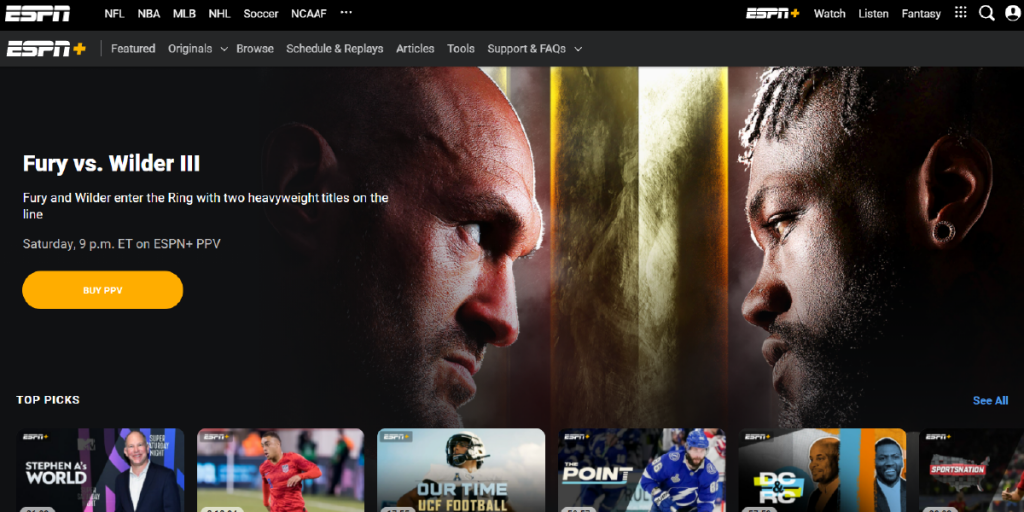
Starting Price: $12.99 per month
Best For: Sports fans who want access to exclusive live events and original sports content.
What Sets It Apart: Large library of exclusive live sports, including UFC, soccer, college sports, and niche leagues.
Content Strength: Live sports events, UFC pay-per-views (sold separately), studio shows, and original sports documentaries.
Pros: Exclusive UFC events, pay per view access, sports documentaries
Cons: Limited non-sports library, exclusion of main ESPN cable channels.
ESPN+ is a sports-focused streaming service with approximately 24.1 million subscribers as of the end of 2025. Unlike entertainment platforms, ESPN+ is built around live sports, exclusive event rights, and original programming for dedicated sports audiences.
ESPN is often bundled with Disney+ and Hulu, enabling the company to increase overall subscriber value and reduce churn across its platforms. Pay per view events, especially major UFC fights, also create additional revenue streams beyond standard subscriptions.
For viewers, ESPN+ provides an affordable entry point into live sports streaming. However, it does not include access to the main ESPN cable networks, which means fans of major U.S. leagues may still need a separate live TV subscription.
5. Amazon Prime Video
Watch the latest movies, TV shows, and award-winning Amazon Originals
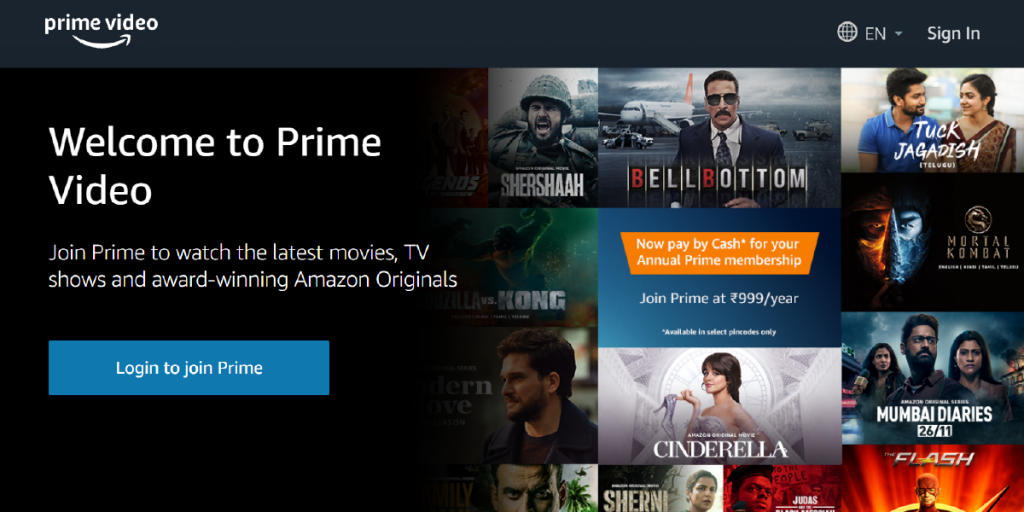
Starting Price: $12.99 per month
Best For: Viewers who want a mix of originals, licensed content, and bundled benefits.
What Sets It Apart: Included as part of the broader Amazon Prime membership with shopping and other perks.
Content Strength: Big-budget originals, licensed movies, regional content, and add-on channel subscriptions.
Pros: 4K streaming and offline downloads, strong presence in regional markets (e.g., India).
Cons: Cluttered interface and search engine, some titles requiring additional rental or purchase.
Prime Video is one of the top OTT streaming services, thanks to over 200 million Amazon Prime members across markets. This subscription streaming service is bundled with shopping, delivery, and other digital benefits.
Its ecosystem-driven approach gives the platform maximum reach and advertising revenue up to $806 mn in 2025. Besides ad revenue, here’s a detailed breakdown of how Amazon Prime Video makes money.
For viewers, Prime Video offers a diverse mix of originals, licensed titles, regional content, and optional channel subscriptions. However, its interface can feel crowded, and some popular titles require additional rental or purchase fees, which may affect the overall viewing experience compared to purely subscription-based platforms.
6. HBO Max
Streaming blockbuster movies, epic originals, and addictive series
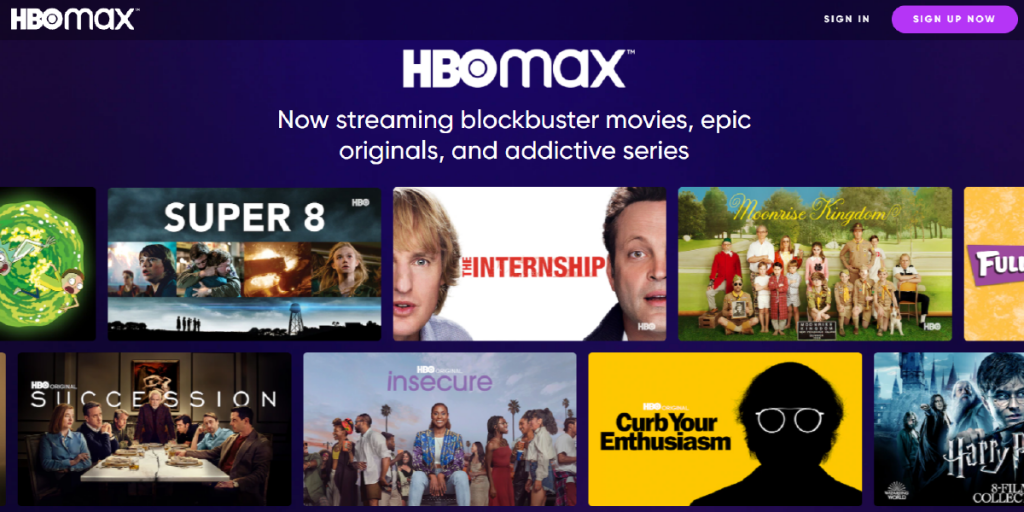
Starting Price: $10.99 per month (ad-supported plan).
Best For: Viewers who want premium HBO originals, blockbuster films, and prestige TV.
What Sets It Apart: Exclusive access to HBO’s award-winning series and Warner Bros. film library.
Content Strength: Prestige dramas, blockbuster movies, and critically acclaimed originals.
Pros: Strong catalog of Warner Bros., HBO originals.
Cons: 4K streaming (limited to high-price tiers), smaller library (unlike Netflix or Prime), frequent catalog changes.
HBO Max (or simply, Max) stands out as a premium streaming service, with over 120 million global subscribers. Max’s content library is anchored around HBO’s award-winning series and Warner Bros.’ film catalog. This emphasis on high-impact titles has built a reputation for critically-acclaimed storytelling.
Max combines HBO’s premium brand with a wider mix of entertainment, including reality, lifestyle, and Discovery content, to appeal to a broader audience. The platform offers a strong lineup of prestige dramas, blockbuster films, and high-production-value originals.


7. Paramount Plus
Starting Price: $8.99 per month for the Essential plan.
Best For: Viewers who want a mix of live sports, network TV, and franchise-based content.
What Sets It Apart: Combination of CBS live programming, sports, and popular franchises on one platform.
Content Strength: Network TV shows, live sports, classic franchises, and original series.
Pros: Bundle options (with Showtime), strong franchise content (like Mission: Impossible).
Cons: Limited Live content (only on high-tier plans), cluttered interface and content discovery.
Paramount Plus is a subscription streaming service owned by Paramount Global, with almost 79 million global subscribers. Its catalog includes popular titles from CBS, Nickelodeon, MTV, and the Star Trek universe, offering a diverse mix of entertainment for different audience segments.
From a business perspective, Paramount+ is central to the company’s direct-to-consumer (D2C) strategy. The platform blends subscription revenue with advertising through its ad-supported tier, while premium plans include live CBS programming and additional features.
For viewers, Paramount+ offers a combination of franchise content, current TV shows, and live sports at a relatively affordable price. However, its original content lineup is smaller than that of larger competitors like Netflix and Prime Video, and certain features, such as live CBS channels, are limited to higher-tier plans.
8. Pluto TV
Free TV added 120+ channels with the best place to buy or rent movies
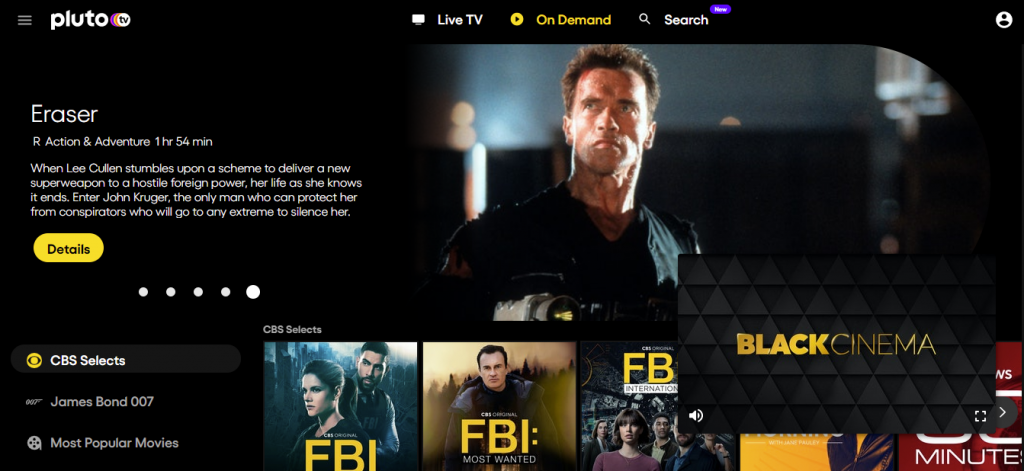
Starting Price: Free (ad-supported)
Best For: Viewers who want free, live-style streaming without a subscription.
What Sets It Apart: Completely free, ad-supported streaming with hundreds of live channels.
Content Strength: Classic TV shows, movies, and niche genre programming.
Pros: Free access, multi-device compatibility, on-demand library.
Cons: Ad-supported, fewer original titles, and limited access to blockbuster titles.
Pluto TV is a free, ad-supported streaming service with over 80 million monthly active users worldwide at the end of 2025. The service offers hundreds of linear streaming channel along with an on-demand library of movies and TV shows, making it an appealing, go-to option for cord cutters.
While Pluto TV doesn’t require you to sign in for casual watching, recent updates mandate account sign-in for full access to ‘premium’ live channels. Despite offering an easy, no-cost way to access content, Pluto TV’s interface is ad-heavy and has a library that largely focuses on older titles instead of recent blockbuster releases.
9. Tubi
Leading free movies & TV shows in HD streaming premium app
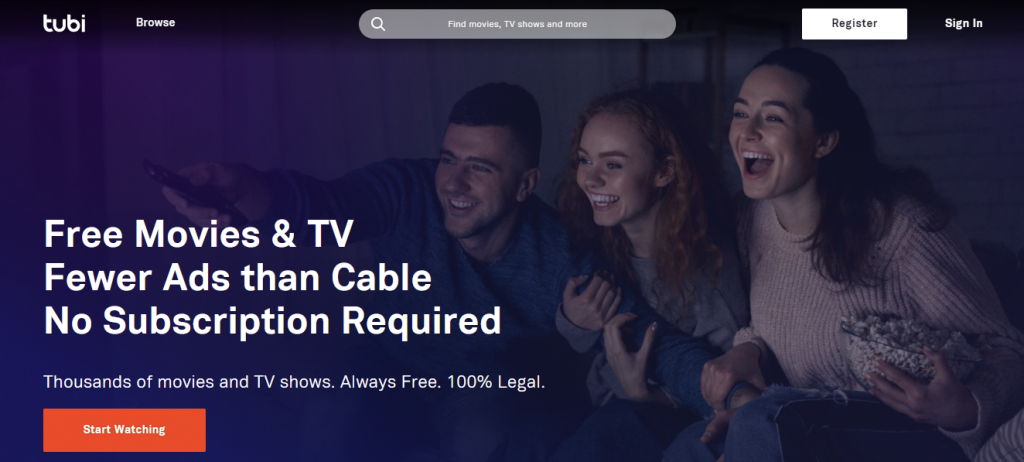
Starting Price: Free (ad-supported).
Best For: Viewers looking for a large, free on-demand library without a subscription.
What Sets It Apart: Extensive free, ad-supported catalog with a strong focus on movies and niche genres.
Content Strength: On-demand movies, classic TV shows, and niche or cult-favorite content.
Pros: Free content access, multi-device compatibility, easy access (without sign-up).
Cons: Ad-supported, fewer original titles, and limited access to blockbuster titles.
Tubi is a free OTT streaming service with over 100 million monthly active users (MAUs) as of 2025. Its library focuses on licensed content, cult favorites like the Spy Kids trilogy, and niche titles rather than big-budget originals.
As part of Fox Corporation’s digital strategy, Tubi recorded 19% revenue growth for the quarter ending 2025. The platform attracts revenue through targeted advertising across its content catalog.
For viewers, Tubi offers a simple, no-cost way to explore a wide range of titles without committing to a recurring fee. However, the viewing experience includes intrusive ad breaks, and the streaming service offers fewer premium originals compared to major subscription services.
10. Sling TV
First-grade online TV streaming services with top customizability
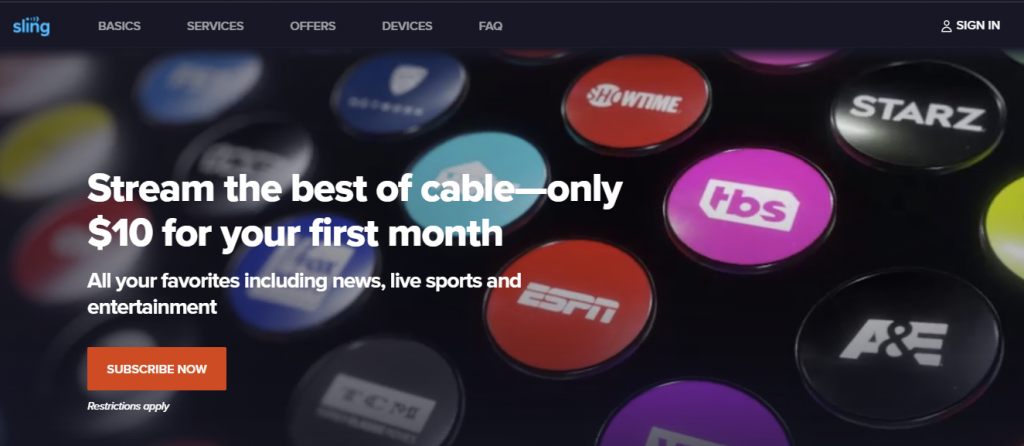
Starting Price: $45.99 per month (Sling Orange or Sling Blue base plans)
Best For: Cord-cutters who want a flexible, lower-cost alternative to traditional cable TV.
What Sets It Apart: Customizable live TV bundles with add-on channel packs.
Content Strength: Live TV channels, sports, news, and entertainment networks.
Pros: Wide range of sports, news, and entertainment channels, Flexible channel packages and add-ons.
Cons: Limited local channel availability, total cost vary (with add-ons).
Sling TV operates in the live TV streaming segment, with over 2 million subscribers in the United States at the end of 2025. Designed primarily as a low-cost alternative to traditional cable, the platform offers live channels across sports, news, and entertainment.
Depending on the base plan you choose (Sling Orange or Sling Blue), you can customize channel lineups with add-on packages. Users can choose from multiple channels for kids, comedy channels, sports channels, etc.
For viewers, Sling TV offers an affordable way to access live television without locked-in, long-term contracts. But then, its on-demand library is scarce, as compared to other subscription streaming services in this list.
11. Fubo TV
Stream & record live sports with other top-most channels like ESPN, FOX, NBC
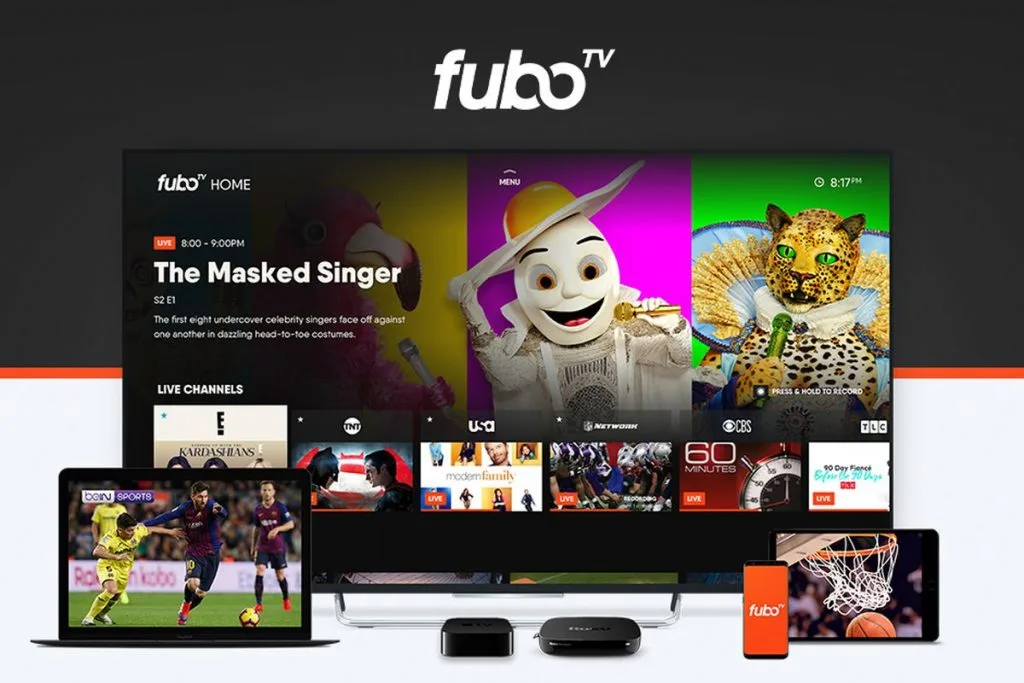
Starting Price: $73.99 per month (base plan)
Best For: Sports fans who want a live TV streaming service with extensive sports coverage.
What Sets It Apart: Sports-centric live TV bundles with a strong lineup of regional and international sports channels.
Content Strength: Live sports, regional sports networks, and general entertainment channels.
Pros: Cloud DVR, extensive sports channel lineup, regional sports networks.
Cons: Limited on-demand library, costs can increase with add-ons, higher starting price.
Fubo TV is a sports OTT streaming service with over 1.6 million subscribers at the end of 2025. FuboTV is built around live channel bundles that emphasize sports coverage, including major leagues (like NFL, NBA, and NASCAR), regional sports networks, and international competitions.
FuboTV relies on a subscription-driven model centered on premium live TV packages and add-on channel tiers. Its sports-first positioning helps differentiate it from entertainment streaming services, while features like cloud DVR, multi-screen viewing, and regional sports access improve retention among sports fans.
12. Peacock tv
Binge-worthy originals with the best free OTT streaming services
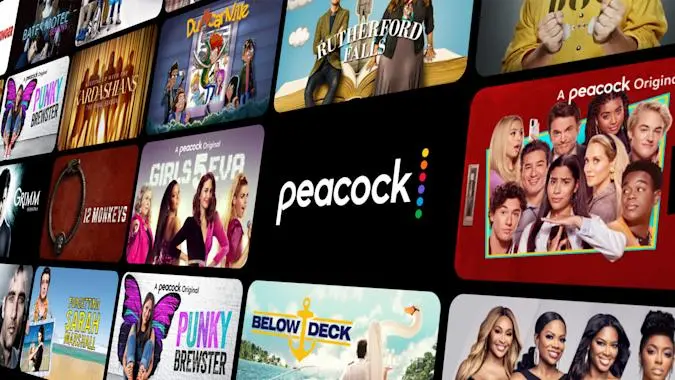
Starting Price: $7.99 per month (ad-supported Premium plan).
Best For: Viewers who want a mix of network TV, live sports, and original series at an affordable price.
What Sets It Apart: Combination of NBC content, live sports, and next-day TV episodes on one platform.
Content Strength: Network TV shows, live sports, classic sitcoms, and original series.
Pros: Access to NBC shows, live sports coverage, multi-device compatibility.
Cons: Premium content limited to high-tier plans, smaller original content library.
Peacock is NBCUniversal’s streaming platform with almost 44 million subscribers at the end of 2025. The streaming service is packed with NBC favorite sitcoms like The Office, Parks and Recreation, Brooklyn Nine-Nine, and Superstore. Its catalog also includes Universal films and sports content such as the NFL, Premier League, and WWE.
Peacock follows a hybrid monetization model built around advertising and subscriptions. If you’re curious about what it does for them, here’s a detailed breakdown of the hybrid monetization strategy.
Peacock TV offers 4K streaming only in a few plans, namely Premium or Premium Plus. Its original content lineup is smaller than that of major competitors, and many plans include advertising, which may affect the viewing experience for some users.
13. Fandango at Home (formerly Vudu TV)
Best OTT price deals from Vudu on all your favorite digital viewing devices
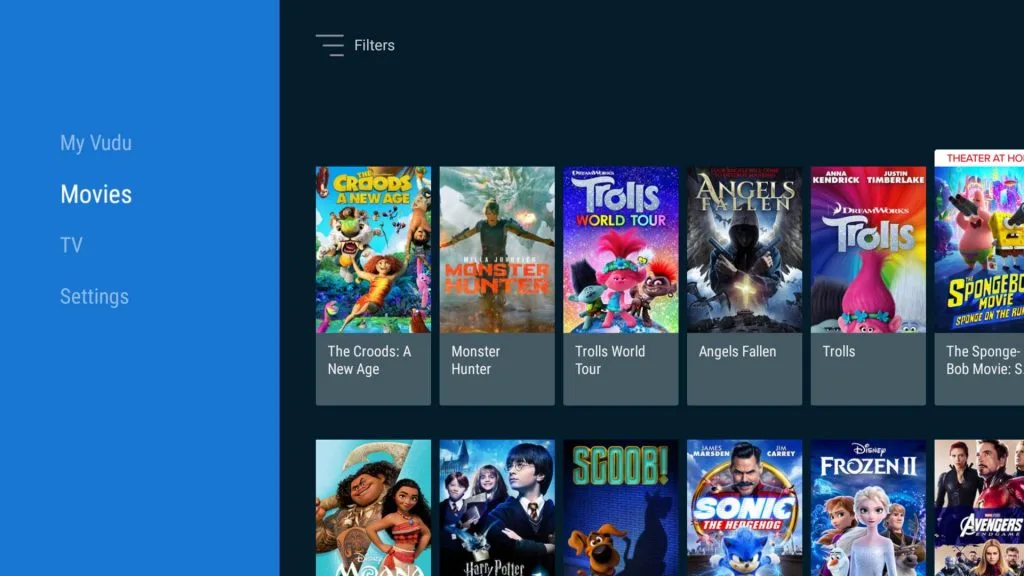
Starting Price: Free (ad-supported titles) or pay-per-title rentals and purchases.
Best For: Viewers who prefer renting or buying individual movies instead of subscribing.
What Sets It Apart: Transactional video-on-demand (TVOD) model with early access to new releases.
Content Strength: New movie releases, digital rentals, and purchase-to-own titles.
Pros: Rental options, free ad-supported movies, early access to movies.
Cons: Limited original titles.
Fandango at Home, formerly known as Vudu, operates in the transactional video-on-demand (TVOD) segment rather than the subscription-driven model. Instead of paying a monthly fee, users rent or purchase individual titles, with the option to access a selection of free, ad-supported movies.
Fandango at Home is a digital storefront where viewers can purchase or rent new releases or premium titles. The platform generates revenue through one-time rentals, digital purchases, and advertising on its free content.
Despite its pay-as-you-go model, its limited original titles make it less appealing for users seeking an on-demand streaming service.
14. Kanopy TV
The best OTT digital resources to watch ad-free video services

Starting Price: Free (with participating library or university access).
Best For: Students, educators, and viewers interested in educational, indie, and documentary content.
What Sets It Apart: Free access through libraries and universities with a focus on curated, educational programming.
Content Strength: Documentaries, indie films, classic cinema, and educational videos.
Pros: No ads, kid-friendly section (Kanopy Kids), strong academic content.
Cons: Monthly viewing limits, niche catalog.
Kanopy TV is a niche streaming service that focuses on educational and curated content rather than mass-market entertainment. The platform is available for free through more than 4,000 participating libraries and universities. Its catalog emphasizes documentaries, independent films, classic cinema, and educational programming.
Partner institutions pay licensing fees based on user engagement, allowing the platform to remain ad-free while serving academic and public library audiences. This approach positions Kanopy as a specialized streaming service tailored to educational and cultural content rather than mainstream entertainment.
What do the Best OTT Streaming Services Have in Common?
While these services differ in pricing, content, and audience focus, they share several core strategies that help them attract and retain subscribers, starting with:
1) Flexible Monetization Models
One noticeable pattern across the top OTT streaming services is the use of flexible monetization strategies. Instead of relying on a single revenue stream, many services combine multiple models to reduce churn.
Leading platforms such as Netflix, Disney+, and Prime Video continue to rely on recurring monthly plans; however, they have also introduced ad-supported tiers to reach different audience segments.
On the contrary, free and ad-supported platforms like Pluto TV operate entirely as a FAST channel platform to generate revenue through advertising. Transactional services like Fandango at Home rely on one-time rentals and purchases rather than monthly fees.
2) Strong Content Positioning
Rather than trying to appeal to everyone, leading streaming services build their content catalog around a specific audience segment.
This is evident in how each platform is best suited for a particular type of viewer, whether it’s fans of original series, franchise-driven entertainment, live sports, or free ad-supported content.
Netflix focuses on those who prefer original titles, whereas Disney+ is built for franchise fanatics (like Marvel, Star Wars). Hulu excels with next-day access to current TV shows, whereas ESPN+ and FuboTV attract live sports viewers.
3) Multi-Device Compatibility
Today’s viewers rarely stream content on a single screen. This expectation has led to cross-device support being a standard feature across major services.
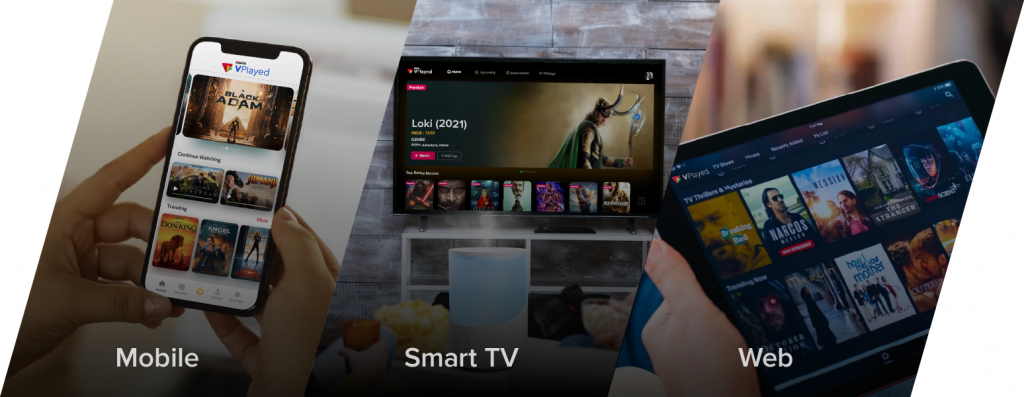
Platforms like Netflix, Disney+, Prime Video, and Hulu offer apps across smart TVs, mobile devices, gaming consoles, and web browsers, while also syncing watch history, preferences, and downloads across screens.
This flexibility of devices plays a direct role in reducing churn. When viewers can access content anytime and anywhere, engagement increases, and subscriptions become harder to cancel.
4) Data-Driven Personalization
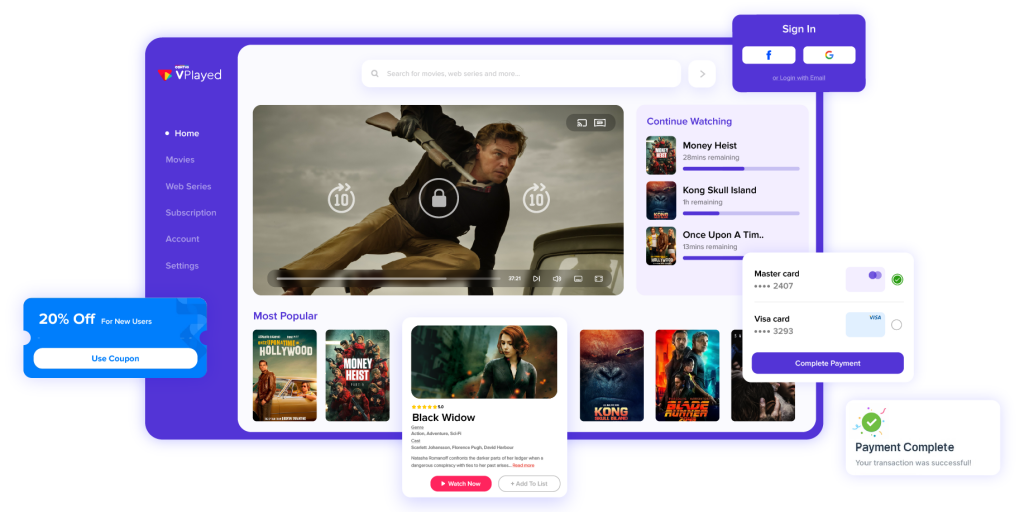
With vast content libraries and diverse audiences, streaming services rely on viewer data to surface the right content at the right time.
Platforms like Netflix and Prime Video use recommendation engines to analyze viewing history, whereas Disney+ and Hulu use data to improve content discovery.
With this personalization and AI in OTT, viewers are most likely to spend time on these streaming services and less likely to cancel.
In a competitive streaming market, data-driven recommendations have evolved from a premium feature into a core capability that influences long-term subscriber loyalty.
How We Selected These OTT Streaming Services?
The OTT streaming services featured in this list were numbered based on a combination of factors, including global or regional subscriber presence, content positioning, monetization models, and overall market impact.
The goal was to represent a mix of subscription, ad-supported, live TV, and transactional streaming services.
Information for this article was compiled from publicly available sources like company earnings reports, industry analyses, reputable technology publications, and official platform announcements.
Subscriber figures and pricing details may vary by region and over time.
Conclusion
The “best” OTT streaming services aren’t necessarily the ones with the most subscribers, but the ones that can consistently reduce churn in an increasingly competitive market.
As competition intensifies and churn rates remain high, streaming platforms can no longer rely on content volume alone to retain subscribers.
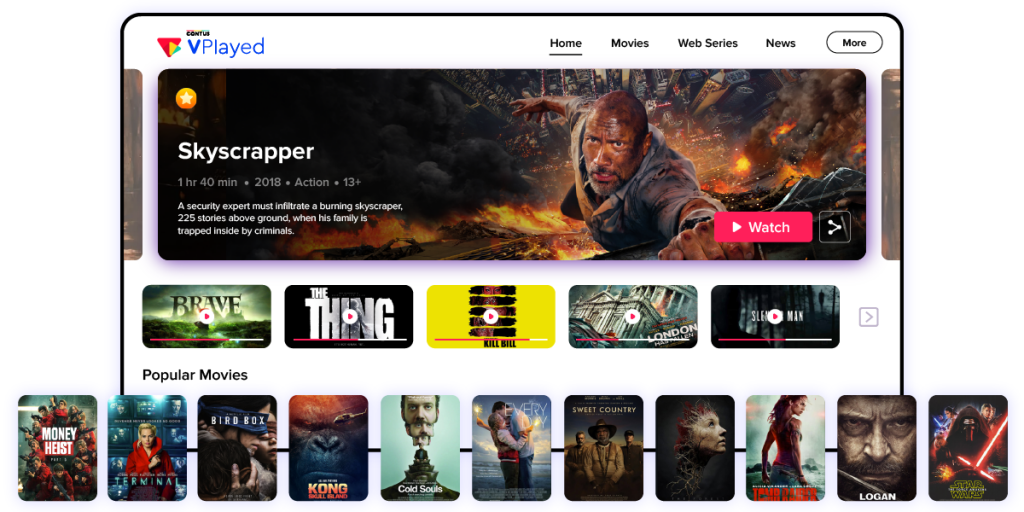
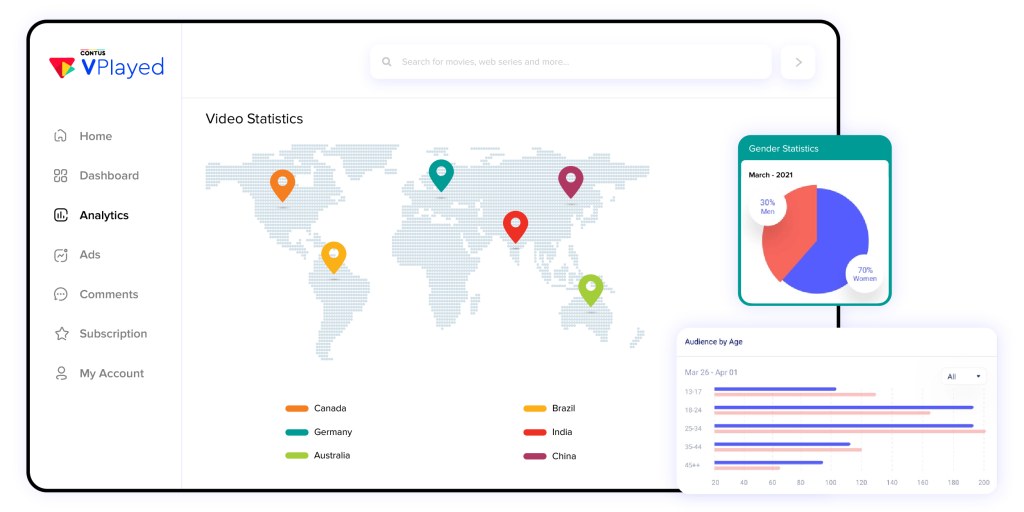
Whether you are looking to launch a standard video-on-demand library or create an online TV channel, solutions like VPlayed empower media businesses to launch fully branded OTT platforms. Explore VPlayed’s end-to-end OTT solution and book a demo to get started.
While today’s leading platforms dominate the market, these shared traits highlight a broader opportunity for content owners and broadcasters to build streaming services tailored to their own audiences.
Solutions like VPlayed empower media businesses to launch fully branded OTT platforms. Explore VPlayed’s end-to-end OTT solution and book a demo to get started.
- Request Demo Book a Live, Personalized Demo
- Contact Sales Reach Out to Our OTT Experts
Frequently Asked Questions (FAQ)
1. What Are OTT Services?
Over the top media, services are offered vividly to any audience under varied genres via standalone OTT software. They are usually connected to on-demand streaming, live streaming & monetize limitlessly through them. All of these services can be accessed in internet connection or through mobile apps by end-users leisurely.
2. How To Find The Best OTT Service Providers?
Every collection of OTT services carries pivotal importance that greatly gets involved in maximized monetization. So, it is quintessential to have the best research on what kind of services are showcased via eminent OTT. There are 4 factors that underplay to start before making an informed decision & they are best streaming reliability, complete customization, level of privacy and, dependent cost factors.
3. How Is OTT Replacing Traditional Media Streaming?
Today, with technological advancement traditional means of viewing entertainment have vanished since consumers lacked choices. It is replaced by several OTT companies with their dynamic streaming services. They are viewed by users through different mediums like mobile devices, game consoles, smart TVs, and other connected devices
4. How To Start A Successful OTT Streaming Service?
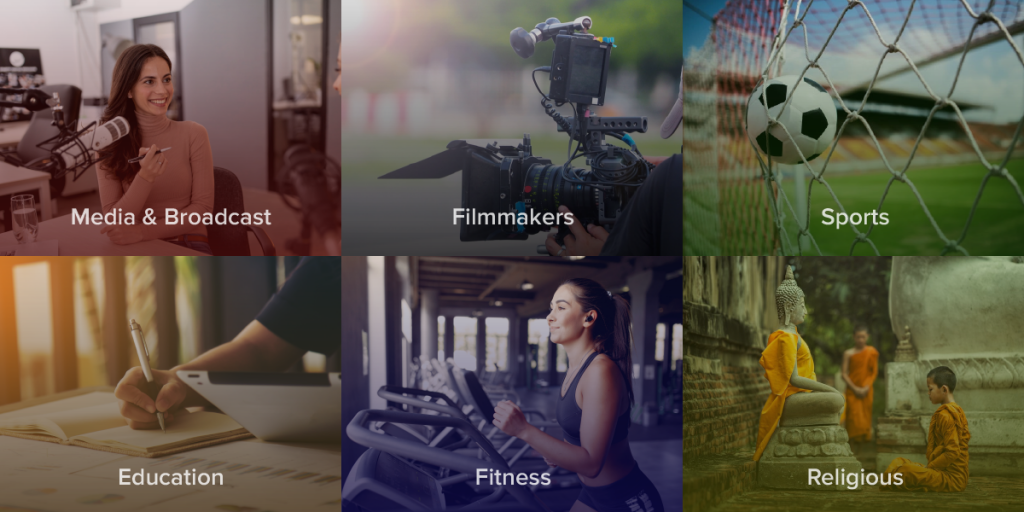
Until now when you have decided to kickstart with successful OTT services, it’s better to take a look at the list of all content & check which genres they are offering to their audience. You can opt for top industry niches like Entertainment, eLearning, Esports, Fitness, etc. Then create an OTT streaming services with quality content pieces, while managing them in an organized library after setting flexible OTT prices.
5. What Are The Ways To Generate Revenue From The OTT Streaming Service?
When you look into crucial aspects of monetizing the best OTT services that comprise live streaming & an on-demand set of video/audios, it depends entirely on the scope of your niche business. Presently, you can generate high ROI through multiple monetization models like AVoD, TVoD, SVoD to ensure good revenue flow in your service packaged with flexible pricing. Also, you can monetize through coupons & promotions, paywall video delivery, etc.

Blogger & OTT Expert at VPlayed. Interested in digging deep into video streaming media tools, blog, discuss and share views on the legal OTT solution' & latest technologies tips, and tricks. Also passionate about photography loves to capture the pure essence of life.