Summarize this article in:


- How premium content is monetized: It captures high-intent consumer spending with early-access pay-per-view pricing. Content owners can also set dynamic price-decay windows for extending post-premiere rental conversions.
- How it differs from SVOD/AVOD/TVOD: PVOD offers ad-free content for a high tier single transaction based fees. Whereas SVOD requires a recurring subscription and AVOD uses ad-supported content.
- Why media businesses use it: PVOD offers up to 80% revenue retention. It even surpasses traditional box-office revenue splits since it captures the audience during the peak marketing buzz window.
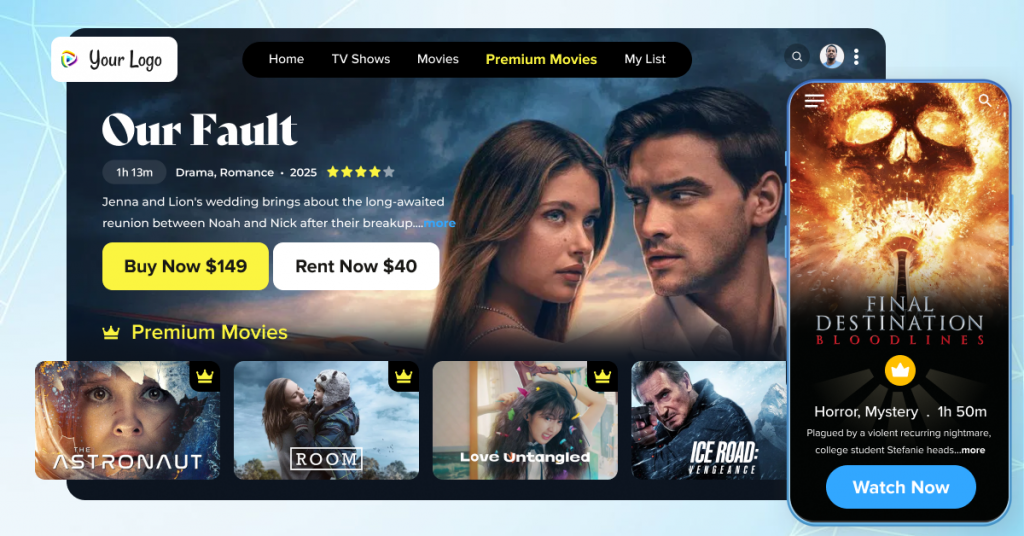
PVOD is a video monetization model where viewers can get early access to a new blockbuster movie or exclusive live event in exchange for a high one-time fee.
PVOD is a video monetization model that offers early access to newly released blockbuster movies for a premium price. This is a lucrative opportunity for content owners to make the most of the high-interest content that even surpasses standard box office splits.
Universal’s release of Trolls World Tour is one such example of the premium video on demand’s breakthrough. According to The Wrap, the animated blockbuster earned nearly $100 million in digital rentals within weeks. A definitive proof that home audiences were more than willing to pay premium prices for early access.
PVOD wasn’t always the industry norm. It rose to mainstream prominence during the COVID-19 pandemic when theatres around the world were forced to rethink their distribution strategy.
Consider PVOD a powerhouse that runs alongside traditional theaters as a coexisting distribution strategy.
This blog will give you the exact PVOD meaning in today’s streaming landscape, how a VOD premium platform operates, and how it’s different from other VOD monetization models.
- Fully Customizable
- Lifetime Ownership
- On-Premise/On-Cloud
- 100% White-label
- Zero Revenue Share
- Hire Developers
What Is Premium Video On Demand (PVOD)?
PVOD stands for Premium Video on Demand. It is a revenue model in the OTT industry where viewers are charged a premium price for early access to a highly anticipated movie or exclusive live event.
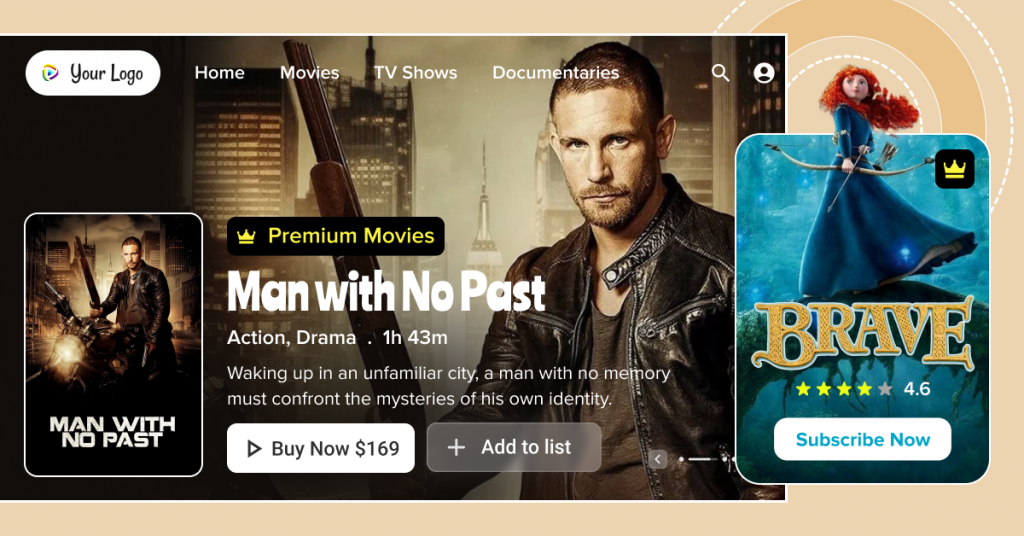
These movies are either available simultaneously when they are premiering in theatres or after their release window closes in theatres.
Viewers can either pay an extra cost to watch the movie or can wait to access it later in their usual subscription library in most cases.
PVOD market is expanding rapidly, and according to Fortune Business Insights, it is forecasted to reach $477.04 billion by 2034 from the current $156.83 billion, with a CAGR of 14.90%.
Some of the industry giants using PVOD include Disney+, Amazon Prime Video, and Apple TV.
How Does PVOD Differ From Other Monetization Models?
| Model | How It Works & Pricing (Payment + Access) | Release Window & Use Case | Ads |
| PVOD | High one-time fee; early digital access | Simultaneous with theatrical run; used for blockbusters | Ad-free |
| TVOD | Pay-per-view, rent, or buy per individual title | Post theatrical; suitable for regular movie rentals & buys | Ad-free |
| SVOD | This is the monthly/annual fee for the entire library | In addition to post-licensing, it can be used for binge-watching & series | Ad-free (or ad-tier) |
| AVOD | Free access for the end user | Varies (older catalogs & syndication); used for mass reach | Ad-supported |
| FVOD | Free access (user-generated or ad-funded) | Varies widely; used for free catch-up TV & public libraries | Ad-supported |
Thinking Of Starting Your Own Premium Video on Demand Service?
How Does Premium Video on Demand Work?
The Premium Video on Demand process starts with acquiring content and setting a release window, then distributing the media asset and tracking its performance. Explore the mechanics of these layers:
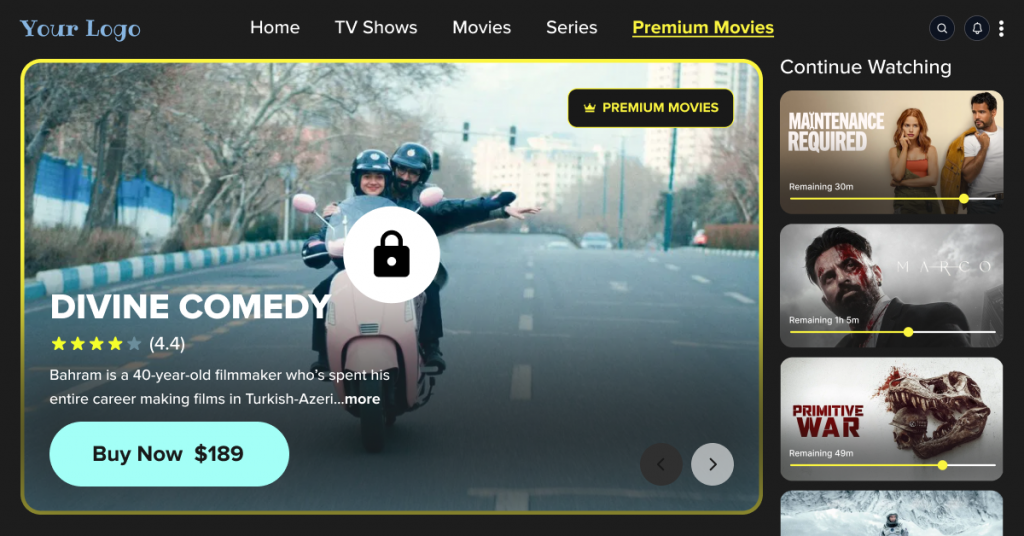
1. Select and License Premium Content
PVOD needs strategic planning that justifies the heavy price tag. It relies on the ability to acquire high-demand, high-profile movies like big studio releases or eagerly awaited franchise movies.
A premium VOD media acquisition involves:
- Targeting High-Value IP: Content owners seek titles with an existing fan base, with viewers willing to pay a premium for the privilege of watching rather than wait for a regular streaming release.
- Structuring Digital Rights: The licensing deals for PVODs are quite different to the licensing deals for SVODs. They specify tight territorial boundaries, viewing periods, which may be as short as 10 days up to 45 days, and particular digital rights management (DRM) systems to prevent leaks.
- Maximizing Revenue Retention: The traditional box office revenue-sharing arrangement gives the studio about half of all box office takings, whereas the digital distribution and VOD options allow the rights-holder to keep about 80% of the total revenue (Source: Observer). It avoids the typical theatrical cuts and makes early digital windows extremely profitable.
2. Set the Premium Release Window
Creating a successful premium video on demand system requires releasing early-access movies just when people are most excited about them.
A modern PVOD window can be as short as 17 to 45 days after a movie is released in theaters, rather than the standard 90 days. This fast-track digital window lets them capture high-priority audience needs right from the living room – as the marketing efforts continue to create the hype.
This is giving much greater flexibility, as noted by Chairman Donna Langley of the Universal Filmed Entertainment Group (Source: Gruvi):
“It is creating an additional window, and therefore an additional revenue stream for the movie in its life cycle. We believe it’s additive, not cannibalistic on any level.”
The optimal release strategy is a multi-step approach:
Simultaneous Day-and-Date: Digitally releasing the film on the same day it is released theatrically, appealing to those who would rather watch it at home than in the cinema.
Staggered Post-Theatrical Windows: The VOD premium tier is rolled out about 2-3 weeks after a film’s theatrical release to leverage early box-office momentum before moving to home screens.
Limited Availability Caps: Closing early-access viewing windows (usually within 48 hours after unlocking) to ensure high perceived value and urgency to buyers. from the people who are most eager to watch a particular content.
3. Determine Content Pricing
A VOD premium price point is usually placed a good deal higher than a standard digital rental, in the range of $14.99 to $29.99 per title.
Several critical operational and market conditions determine the price of a premium video-on-demand product:
- Production Budgets and Licensing Costs: High-budget tentpole films need to charge higher prices due to enormous marketing expenses and acquisition costs, while indie films do not.
- Theatrical Proximity and Window Length: The nearer your digital release is to its initial theatrical release, the more you can charge. Consumers expect to pay a premium equivalent to a couple of cinema tickets when a movie is still running on big screens.
- Geographic Purchasing Power: The purchase price must be regionally adjusted according to the economic conditions of the region. While $19.99 is good for North America and the UK, it might need dynamic pricing in developing and competitive markets.
- Device and Ecosystem Constraints: Factor in fees from the major app platforms (Apple, Google, Roku, etc.), such as store fees, to maintain a healthy net revenue margin after platform fees are taken into account.
Pro-Tip: Use a price decay that is dependent on your release window. Launch your PVOD title during the first 14 days, when social media is buzzing and FOMO is at its highest, which is the best time to release your title at the peak of pricing: $24.99.
Dynamically drop the price to a standard TVOD rental rate ($5.99–$9.99), just as the title moves from the theater to the wider library. It’s an effective way to catch high-intent superfans early and attract price-sensitive casual viewers at the end of the initial marketing momentum.
4. Publish and Distribute the Content
Having rock-solid technical workflows is essential for deploying a digital release. For optimal smooth execution on smart TVs and on mobile apps, here are the steps to take:
- Ingest Mezzanine Files: Upload uncompressed master video and multi-channel audio files directly to your cloud-based OTT platform
- Apply Robust DRM: Use digital rights management techniques and encryption to prevent piracy and screen recording.
- Automate Multi-Bitrate Transcoding: Transcode media to adaptive bitrate file types to ensure smooth playback on all network speeds.
Content delivery network (CDN) routing testing has to be done prior to launch to ensure no playback failures when high-intent traffic spikes.


5. Process Viewer Payments and Access
It takes a smooth transactional pipeline to turn high-intent traffic into revenue. If you charge a substantial upfront fee for your VOD premium release, you need to implement multi-currency checkout routing without any latency or security problems.
Digital cart abandonment often exceeds 70% around the world, and optimizing this last step is a must. Multi-gateway architecture is to safeguard your platform against unexpected gateway outages, so you can authorize every individual premium video-on-demand purchase without any glitches.
- Integrate Localized Gateways: Provide regional payment solutions such as regional digital wallets in addition to credit cards.
- Enforce Automated Entitlements: Use a tokenised digital rights management (DRM) to instantly map successful transactions to user profiles, allowing for instant streaming access.
6. Track Content Performance
It’s important to monitor the results of your early release titles to sustain your digital success. The world’s video analytics market is booming as it seeks to maximize user engagement, so simple view counts are no longer sufficient.
OTT platforms should use real-time metrics and audience insights to maximize VOD premium returns:
Measure Conversion Ratios: Analyze traffic-to-purchase ratios during the critical opening week of a PVOD launch to fine-tune marketing spend.
Monitor Engagement Drop-Offs: Identify areas of user interaction and where users stop or drop off from early access streams.
Key Features of a PVOD Streaming Solution
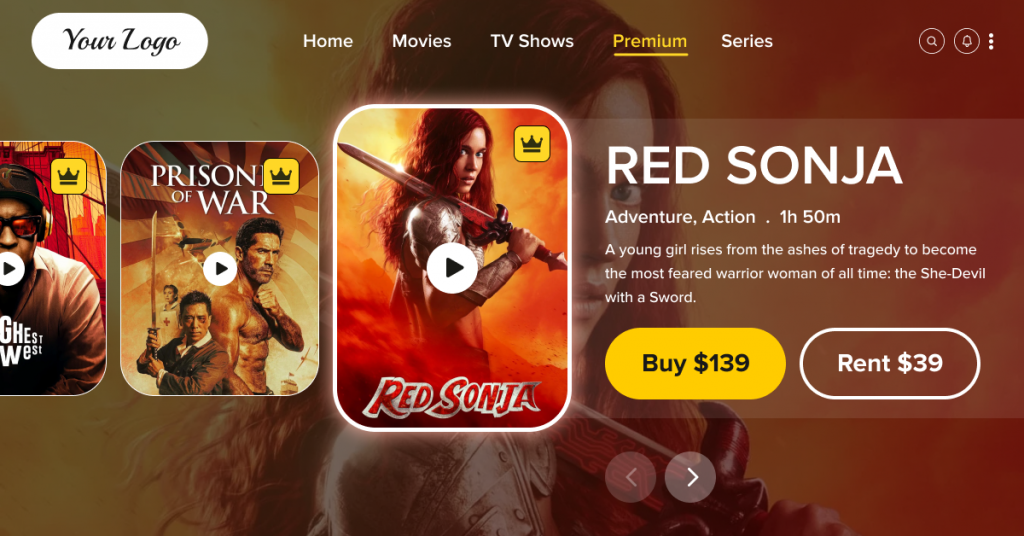
Deploying a profitable PVOD streaming service requires robust infrastructure such as video content management, dynamic pricing capabilities, robust content security, seamless multi-device streaming, and multi-language support. Here is a list of must-have features for PVOD platforms.
* Video Content Management
A centralized video CMS enables content distributors to upload and ingest high-resolution master files and metadata quickly and efficiently.
This core capability is used to simplify metadata tagging, asset categorization, and poster art allocation, which allows for new cinematic releases to be organized cleanly before going live, while handling high-value assets.
* Flexible Content Pricing
Dynamic pricing modules enable rights-holders to set up custom pay-per-view pricing tiers, early-access pricing rates, and multi-tier payment pricing per transaction for individual titles.
This can be useful to maximize box-office returns quickly – platform administrators can easily update high-stakes digital ticket prices and set up automated price-decay models as titles move from early windows.
* Secure Video Streaming
Secure token authentication and adaptive bitrate streaming (ABR) are key components of robust video streaming services that deter stream ripping and unauthorized URL sharing.
This safeguards high-value digital inventory by ensuring that video feeds are sent over the public internet only to authenticated buyers who have made a valid transaction-based purchase.
* Multi-Device Streaming
Cross-platform infrastructure enables high-definition video viewing on smart TVs, mobile phones, tablets, and web browsers without any visual degradation or loss of detail.
This capability has been introduced to reach more customers by allowing them to buy a high-ticket early release from one device and switch to another device without losing session data or access permissions.
* Payment Gateway Integration
Multi-gateway solutions integrate various processors in a pre-integrated way to ensure seamless checkout operations, with support for both local processing channels and regional digital wallets, as well as international credit card options.
This feature helps to reduce cart abandonment during peak hours of the premiere, intelligently routing transactions and providing secure multi-currency settlements worldwide.
* Content Scheduling
Automated publishing calendars enable platform managers to schedule exact publishing and expiration dates, down to the minute, for limited window digital releases.
Helps to enforce strict studio windowing parameters by automatically opening gates for early access at premiere time and pulling titles down cleanly when the window closes.
* DRM and Content Protection
Digital Rights Management (DRM) (e.g., Widevine, FairPlay, PlayReady) is applied at the video block level to prevent unauthorized copying and recording solutions.
This protection is strict enough to satisfy Hollywood security standards and provide major studios with the peace of mind to allow high-budget feature films to be distributed digitally.
* Analytics and Revenue Reporting
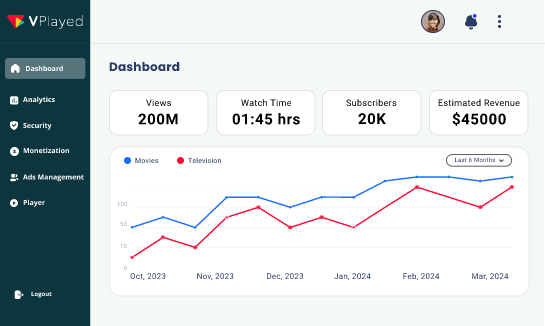
The business intelligence dashboards capture transactional sales data, user acquisition journey, and streaming engagement trends in real time.
This operational feature assists platform administrators in assessing direct return on investment on a pay-per-view basis by providing exact conversion rates for each pay-per-view title, tracking regional viewer losses, and producing detailed financial reconciliation reports for each early-release title.
* Customizable Video Player
A white-label video player with a customizable brand design enables streaming service providers to have players that are as close as possible to their own design guidelines, including the ability to embed custom controls, subtitles, and chapter markers.
This makes the user experience better by providing a “premium” feel within the web browser/mobile app environment.
* Multi-Language and Subtitle Support
Operators can upload various audio tracks, sidecar subtitle files, and translated closed caption (CC) for different international audiences using built-in localization frameworks.
This feature enables platforms to expand their reach internationally, allowing foreign-language buyers to enjoy localized early-release content without hassle in day-and-date rollouts.
Advantages of Premium Video on Demand
Premium video on demand changes the video distribution model by maximizing per-viewer revenues, speeding up the studio return on investment, and creating direct audience connections. Explore the key commercial and operational advantages driving this shift:
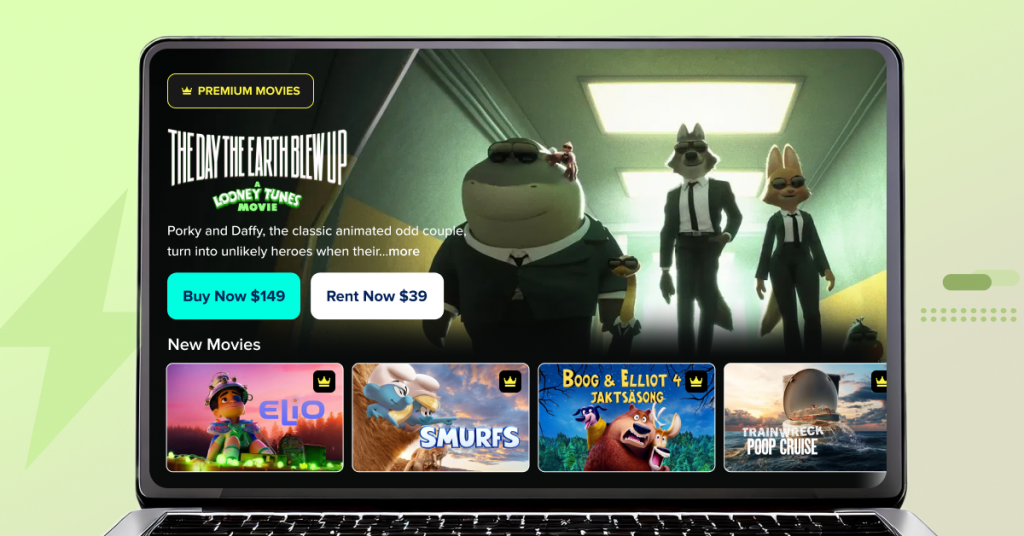
* Higher revenue per transaction
Digital tickets that cost $19.99 or more per ticket offer much better returns per view compared with traditional subscription models. This direct transactional fee is a direct capture of immediate, high-intent consumer spending.
* Faster monetization of premium releases
Early windows open 17 days after theatrical windows and circumvent long waiting times. Unlike the traditional release schedules, Studios start to recover production and marketing costs within weeks.
* Greater pricing flexibility
Digital rental tags are easily modified according to production budgets and regional demands by operators. Dynamic pricing optimizes profits in each geographic market without setting fixed prices.
* Direct audience access
When launched on the proprietary white label apps, there are no platform middlemen. Viewer data, email lists, and accurate purchasing history remain the property of studios.
* Additional distribution opportunity
The inclusion of an early digital element provides a strong secondary income source to theatrical shows. This hybrid approach will appeal to home viewers and won’t cannibalize long-term box-office revenues.
Disadvantages of Premium Video on Demand
Early-access transactional streaming offers huge opportunities, but it also brings commercial and technical challenges. Here are the operational challenges and risks influencing this distribution strategy:
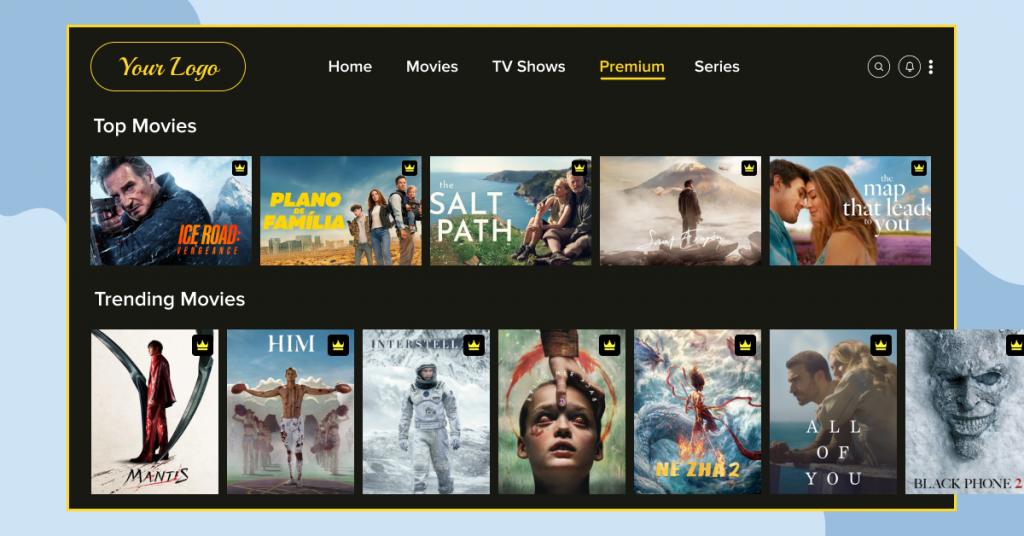
* Higher prices can reduce audience size
High pay-per-view tags, as high as $29.99, may keep casual viewers away. Many budget-conscious users are reluctant to purchase early access because they can wait until the standard subscription offerings come out.
* Requires premium/high-demand content
Without huge blockbusters or big anticipated films, the PVOD model won’t work. A traditional library catalog cannot generate transactional fees or create instant consumer urgency for purchase.
* Licensing can be complex
Digital rights are subject to tough contractual hurdles in multi-territory situations. Fast deployment timelines can be complicated due to rights negotiations with the global talent unions and theatrical exhibitors.
* Revenue may vary by release
Film profits can vary significantly based on the existing cultural momentum of the film. When word-of-mouth isn’t strong enough, or there are poor marketing strategies, digital storefronts may perform very poorly.
* Strong content protection is required
Early-access files are the first that professional pirates and screen-recorders will be looking for. Implementing robust digital rights management systems adds significant infrastructure costs to prevent unauthorized leaks.
How to Launch a Premium Video on Demand Service With VPlayed
VPlayed is an OTT platform provider offering white-label services for different niche content owners, enterprise broadcasters, and independent filmmakers. Here’s how VPlayed helps launch a customized PVOD service for these diverse distributors
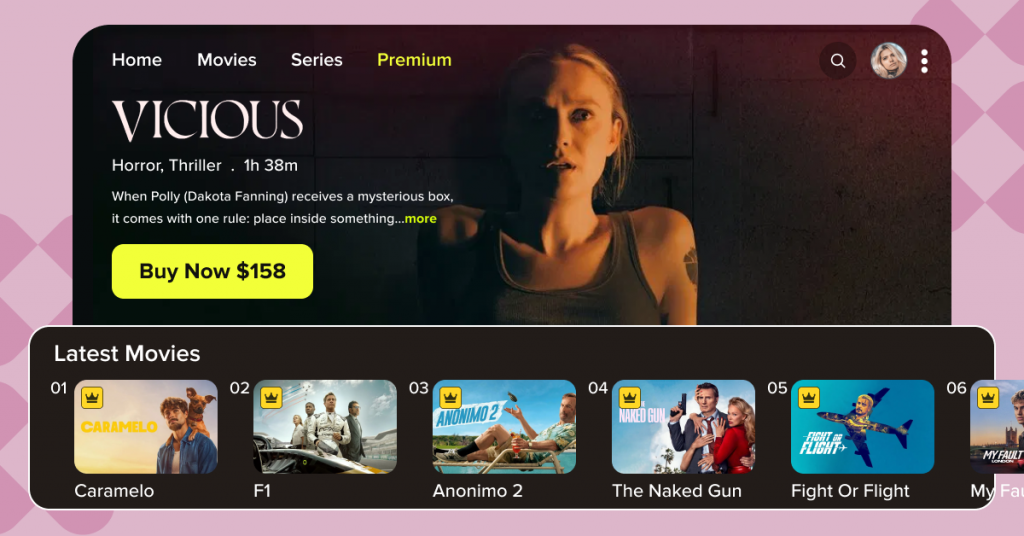
Build and Organize Your Premium Content Library
A simple folder structure isn’t enough for high-budget pre-release premium assets. VPlayed’s video content management system (CMS) is a centralized hub for heavy 4K master files, adding comprehensive metadata, and categorizing titles for early release before the premiere. This helps keep large catalogs organized, so that operators can offer premium video on demand without bothering with content bottlenecks or content corruption.
Customize Your PVOD Streaming Experience
Early access movies can only be rented using an interface that resembles that of the best theatrical movie apps, not that of a general video player. VPlayed offers a 100% white-label architecture and customizable HTML5 video players, giving you full branding control, user onboarding flows, and navigation layouts. This setup keeps your PVOD assets and brand identity prominent, with no watermarks from third-party platforms interrupting the movie-watching experience.
Set Up Flexible Monetization and Payments
Subscription models don’t work when you’re trying to sell individual digital movie tickets for a lot of money. VPlayed offers advanced transactional monetization models, where you can set pay-per-view streaming early access prices, time-decay rental windows, multi-currency payment options, and more. Global integration payment gateway architectures facilitate transactions seamlessly, minimize cart abandonment, and enable you to maintain 100% of transaction revenue without imposing any unwanted splits or payout requirements.
Protect Premium Content With DRM
Early-window blockbuster films are prime targets for unauthorized recording and piracy. VPlayed protects your digital content with the help of multi-DRM frameworks (Widevine, FairPlay, PlayReady), AES-128 encryption, dynamic watermarking, and strict device limits. These protective layers meet Hollywood standards to make sure that your premium VOD streams can only be unlocked by verified, paying customers.
Deliver Content Across Multiple Devices
Audiences expect to watch high-budget releases on everything from mobile phones to massive living room smart TVs. By using Adaptive Bitrate Streaming (ABR) and optimized content delivery networks, VPlayed will prevent buffering to play high-definition video perfectly on iOS, Android, web browsers, and connected TV devices. Users are allowed to buy an early access ticket on one screen and complete the stream on another one without losing any access tokens.
Track Viewer Engagement and Revenue
To maximize future success in release strategy optimization, it is crucial to have deep, real-time audience insights. VPlayed provides the operators with Business Intelligence dashboards to monitor transactional sales data and regional purchase trends, and midstream drop-off points. These analytics will give you insight into which titles are most popular, enabling you to optimize your pricing strategy and ensure that you move your titles into standard streaming windows at the right time.
Conclusion
We have laid out the complete blueprint for the premium video-on-demand business model, breaking down its profit potential, core distribution mechanics, and how to get started. Hopefully, you now have a crystal-clear idea of how early-access windows work in today’s OTT industry.
Building a proprietary digital distribution platform doesn’t have to mean starting from scratch. By leveraging a battle-tested, white-label solution like VPlayed, you gain absolute control over flexible pricing tiers, multi-DRM security, and global payment gateways, keeping your revenue entirely in-house.
Curious about how your specific content catalog could fit into a modern PVOD strategy? Schedule a demo with VPlayed, and our experts will guide you through setting up your custom PVOD ecosystem.
- Request Demo Book a Live, Personalized Demo
- Contact Sales Reach Out to Our OTT Experts
Frequently Asked Questions(FAQ):
1. What Is PVOD? What Does It Mean?
Premium Video on Demand is a video monetization model that allows users to pay an extra amount to watch new shows or movies online even before they come up on regular streaming. They offer early access to such contents at a little extra cost.
2. What Is Difference Between PVOD Vs VOD?
While viewers can watch VOD anytime or anywhere, it is not the same with the Premium VOD way of streaming – it is exclusive & limited time. Whereas, VOD content includes subscription based, rental [TVOD], and even ad-included content streaming options.
3. How To Build A Premium Video On Demand Website?
The best way is to get in touch with a video streaming platform builder who can build you a platform that sparks intelligence & creativity in every touchpoint. For instance, VPlayed built 1000s of such OTT, PVOD and video streaming services for clients across the world.
4. What Are The Benefits Of Creating A Premium VOD Platform?
The foremost being early access to premium content, even before it gets a normal release online. In simple terms, its like paid offline red carpet premieres that happen offline. You can take this as an online version of the same to build buzz & also earn more.
5. Which Are The Best Monetization Models PVOD, SVOD & AVOD?
While SVOD gives you unlimited access for a monthly or yearly subscription and AVOD allows you to build your biz through ads. So the best monetization model is subjective: Purely depends on the nature and scope of the content.

Senior Analyst specializing in Online video platforms, OTT, VOD, and white label video streaming solutions. Expert in analyzing industry trends, technologies, and monetization strategies to help businesses optimize their streaming services. Passionate about innovation and the evolving digital video landscape.