Summarize this article in:


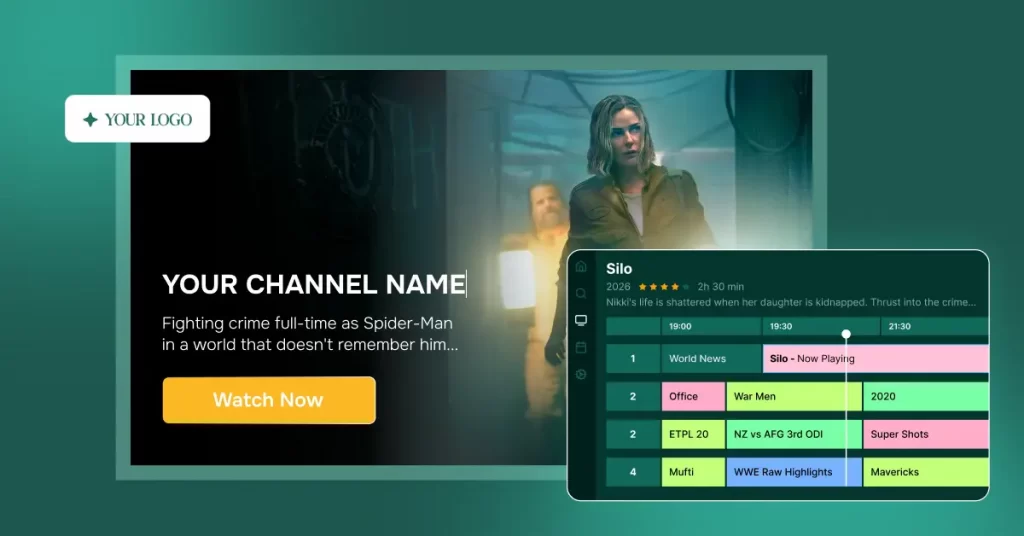
Modern broadcasting is moving away from physical hardware toward internet-based cloud playout systems. This blog will walk you through how cloud playout works, how it helps different industries, and types of cloud playout channels. You also get insights into how VPlayed helps content owners and broadcasters with playout broadcast.
Cloud playout has transformed the hardware-heavy traditional broadcast workflows into scalable virtualized cloud infrastructure. Rapid changes in viewer behavior drive this shift as they ditch rigid, traditional cable schedules for a multi-screen streaming experience.
Data Bridge Market Research states that the global playout solutions market was valued at $1.83 billion in 2025 and is projected to reach over $3.55 billion by 2033. This calls for media businesses to meet this demand without spending on expensive satellite servers, and this is where playout software comes into play.
Here we will cover the ins and outs of a cloud playout solution, how it works, and its types. Read on to find out how cloud playout architecture modernizes global linear media delivery.
What is Cloud Playout?
Cloud playout is a software-driven process that uses cloud infrastructure instead of physical control rooms to manage, schedule, and stream linear media channels. Media enterprises leverage cloud playout services to ingest video, add dynamic graphics overlays, and frame-accurate ad insertion over the internet.
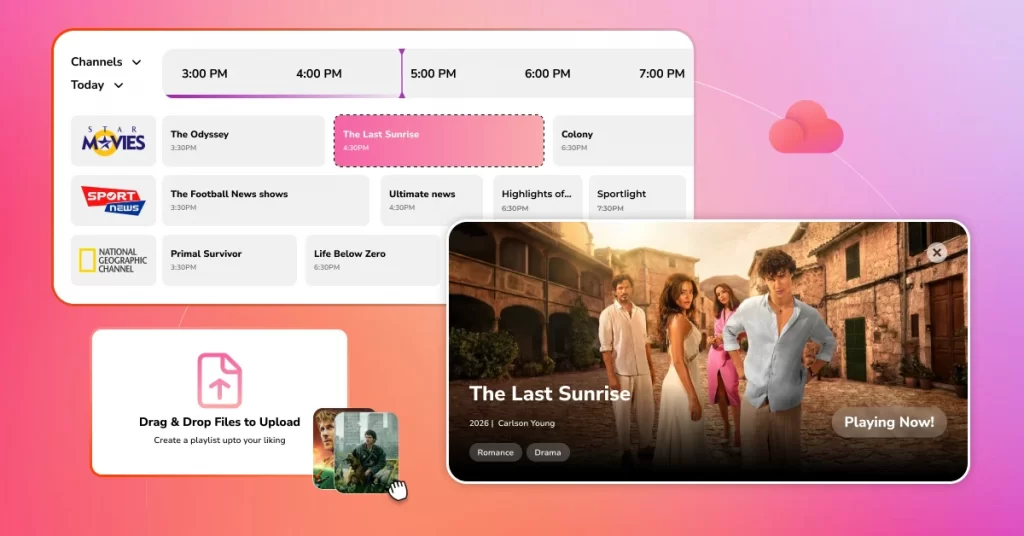
At its core, it is a virtualized workflow that replaces legacy hardware like satellite encoders and on-premise playout units with cloud servers. Media operators can simply upload their media assets and build an automated schedule to deliver linear feeds directly to OTT apps globally.
A playout system removes the geographical boundaries and expensive hardware restraints from the equation. It offers broadcasters complete control over content workflows to manage linear streams with minimal setup.
- Fully Customizable
- Lifetime Ownership
- On-Premise/On-Cloud
- 100% White-label
- Zero Revenue Share
- Hire Developers
How Does Cloud Playout Work?
The cloud playout workflow simplifies global channel distribution through a centralized virtual infrastructure. It manages everything from scheduling and streaming to channel management. Here’s a step-by-step breakdown of how it works.
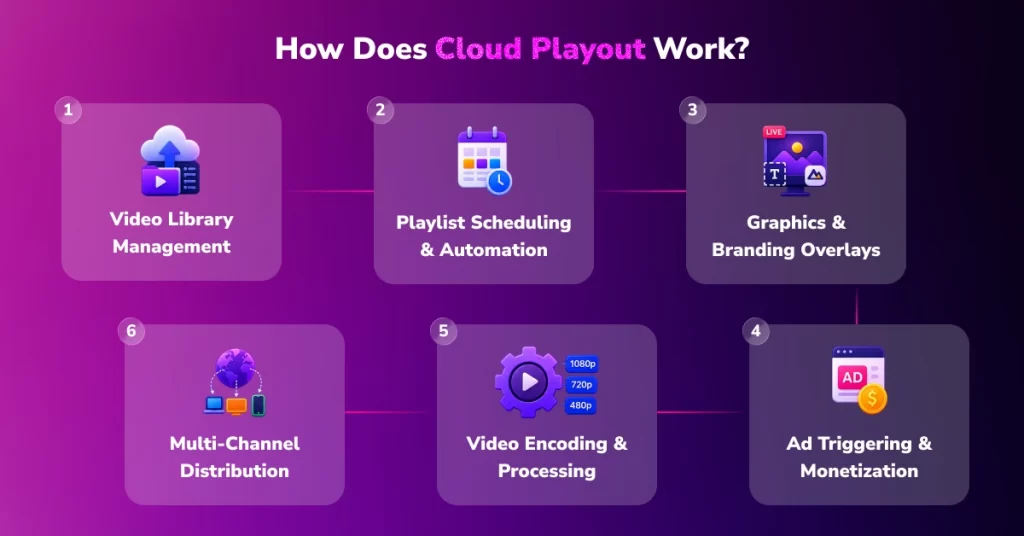
- Video Library Management: Content owners bulk upload their media assets and organize them. They can also manage metadata within cloud storage for file indexing and quick retrieval.
- Playlist Scheduling & Automation: Broadcasters build channel timetables with a drag-and-drop scheduler. This automatically plays linear streaming at the set time across time zones to ensure frame-accurate continuity.
- Graphics & Branding Overlays: Digital overlay engines allow insertion of dynamic graphics, logo overlay, and watermark linear feeds without needing manual rendering.
- Ad Triggering & Monetization: Dynamic ad insertion techniques such as Server-side ad insertion (SSAI) tools are used for ad break scheduling and seamless monetization across screens.
- Video Encoding & Processing: Video encoding tools leverage HLS or MPEG-DASH to convert linear streaming into adaptive bitrate streaming (ABR) for buffer-free delivery.
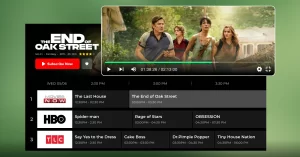
- Multi-Channel Distribution: The cloud playout feed delivers across the globe over web streaming platforms, smart TV apps, and connected devices.
Who Uses Cloud Playout Software for Broadcasting?
Modern media organizations from varied industries leverage broadcast playout software to replace physical master control rooms, reduce capital expenditures, and simplify global linear channel distribution. The following industries rely on cloud playout for their operations.
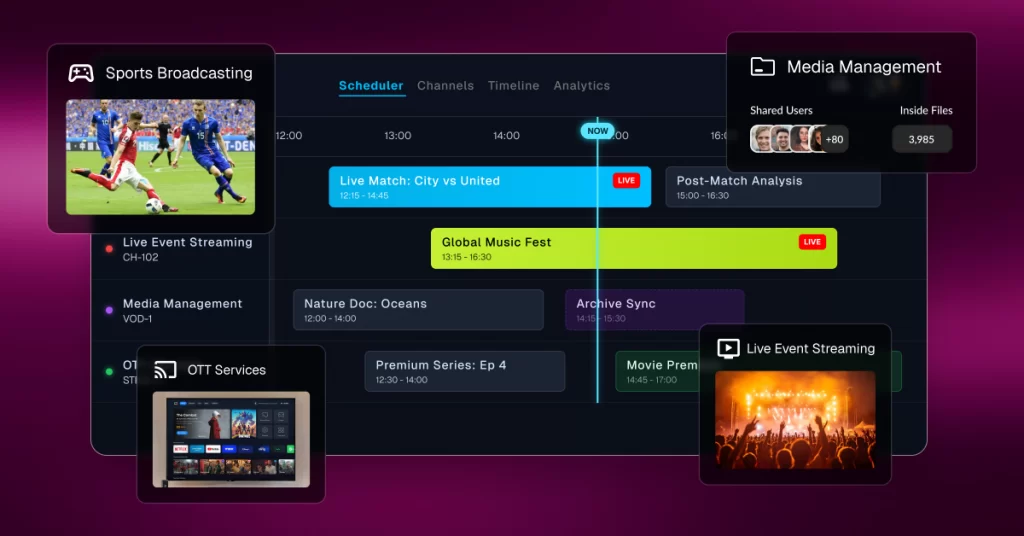
- Sports Broadcasting Networks: Sports platforms use cloud TV playout to handle dynamic live-to-linear workflows. It allows media operators to deliver pre-scheduled programs, highlights, and post-match analysis shows and lets them switch to low-latency linear live feeds when matches begin.
- Live Event Streaming: Media companies use virtual playout to broadcast temporary live streams for events like music festivals, e-sports tournaments, corporate events, and award shows. Broadcasters can deliver pre-recorded promotional reels and switch seamlessly to live linear feeds without requiring any physical broadcasting setup.
- Media Management: Enterprise media, archival content owners, and broadcasters with vast historical film and television catalogs leverage playout video infrastructure to continuously re-monetize dormant video libraries. They can schedule their archived VOD content into themed 24/7 streams. Media houses come up with fresh advertising and subscription revenue with minimal manual intervention.
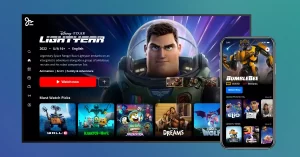
- OTT Services: Online video streaming services use cloud playout to blend regular TV-style channels with on-demand VOD libraries. This hybrid setup lets viewers get a lean-back television experience with the added advantage of on-demand options. This significantly increases viewer retention and average watch time while also maximizing ad inventory fill rates across multi-screen devices.
What Types of Channels Use Cloud Playout?
Cloud playout services allow content owners, traditional broadcasters, and media enterprises to launch varied channel formats from a centralized platform. Cloud playout channels have virtualized workflows using which they deliver 24/7 continuous feeds and on-demand experiences customized to audience engagement and monetization strategies.
Here is a breakdown of the primary channel models that are driven by playout software.
FAST Channels (Free Ad-Supported Streaming TV):
FAST channels use an existing VOD library and transform it to 24/7 linear streams monetized by advertising. It is built for delivering across major Connected TV (CTV) aggregators such as Samsung TV Plus, Roku Channel, Pluto TV, and Tubi.
FAST channel platform depends on SCTE-35 ad signaling and Server-Side Ad Insertion (SSAI) to improve ad fill rates without interrupting the linear stream flow.
Online TV Channels:
Online TV channels are built for direct-to-consumer broadcasting with scheduled and live programming across branded web portals, mobile apps, and Smart TV applications.
They offer the traditional TV experience with internet flexibility, and this allows media enterprises to broadcast scheduled shows, manage live feeds, and launch themed event channels all from a single dashboard.
Linear Streaming Channels:
Linear streaming is the modernized classic TV broadcast with scheduled content grids over IP networks. It uses a drag-and-drop playlist scheduling with real-time Electronic Program Guide (EPG) generation and PTS continuity. It delivers linear feeds to viewers with an uninterrupted “always-on” television experience across multiple screens.
It allows broadcasters to easily switch between pre-scheduled shows and live events when needed. Also, automatic looping keeps the linear channel stream continuously so there are no blank screens between the shows.
OTT Platforms & VOD Services:
The Over-The-Top (OTT platforms) typically offer an on-demand video library across mobile and TV apps. As a cloud playout channel, OTT operates with curated 24/7 linear channels alongside VOD libraries.
This hybrid structure supports diverse monetization models, like subscriptions (SVOD), pay-per-view (TVOD), catch-up TV, and ad-supported tiers (AVOD), or a combination of two or more models as a hybrid monetization model.
Build Your Own Streaming Channel With Cloud Playout Solution
Request Demo
3,500+ happy clients

4.8/5
Key Features Every Broadcaster Should Look For in a Playout Platform
To select the right playout software for long-term scalability, flexible monetization, and complete operational control, look for the following key features.
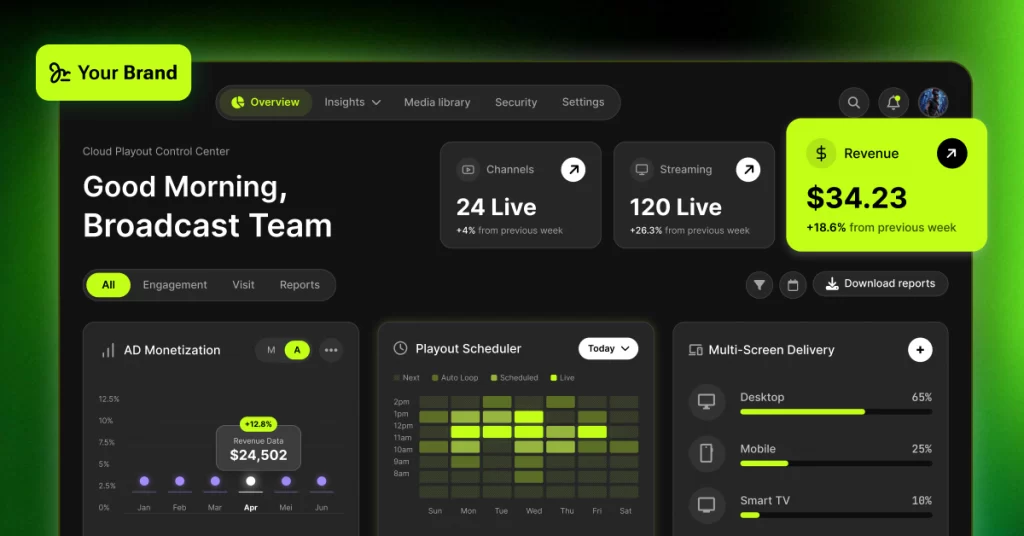
1. Flexible Infrastructure & Complete Ownership
- Source Code Access: Having complete source code access allows media enterprises to customize their platform and integrate third-party tools without vendor lock-in.
- Multi-Channel Management: A single dashboard allows media operators to launch and manage multiple linear channels simultaneously.
2. Advanced Automation & Scheduling
- Linear Programming & Program Looping: Content grid creation is made simple by automated tools that enable seamless loop scheduling and gap-filling for 24/7 continuous playout.
- EPG Support: Automatic Electronic Program Guide (EPG) updates schedules and pushes metadata to FAST channels and connected TV devices
3. Comprehensive Ad Monetization & Ad Placement
- Advanced Ad Monetization: Maximizes ad inventory yield through SSAI (Server-Side Ad Insertion) over live and linear streams
- SCTE-35 Support & Ad Pods: Precise SCTE-35 marker allows implementation of pre-roll, mid-roll, and post-roll ads without disrupting the uninterrupted viewing experience.
4. Custom Viewing Experience & Multi-Screen Delivery
- Multi-Screen Support: Offers a synchronized adaptive-bitrate linear feed to all screens such as web browsers, mobile apps, Smart TVs, and streaming dongles.
- Customizable Player: Allows white-label customization of HTML5 video players with customizable UI controls, multi-audio support, subtitle section, and picture-in-picture modes.
5. Enterprise Content Protection & Access Security
- Geo Blocking & Domain Restrictions: Protects distribution rights by using restricted streaming access based on geographic location or specific domain whitelists.
- Screen Recording Protection: Safeguards live feeds and other premium linear programming from screen capture and prevents piracy and unauthorized or illegal rebroadcasting.
How Does VPlayed Help To Build Your Cloud Playout Platform?
VPlayed supports transitioning from legacy hardware-based control rooms to cloud playout services through a flexible enterprise-grade architecture. Here’s a look at how VPlayed supports broadcast business models.
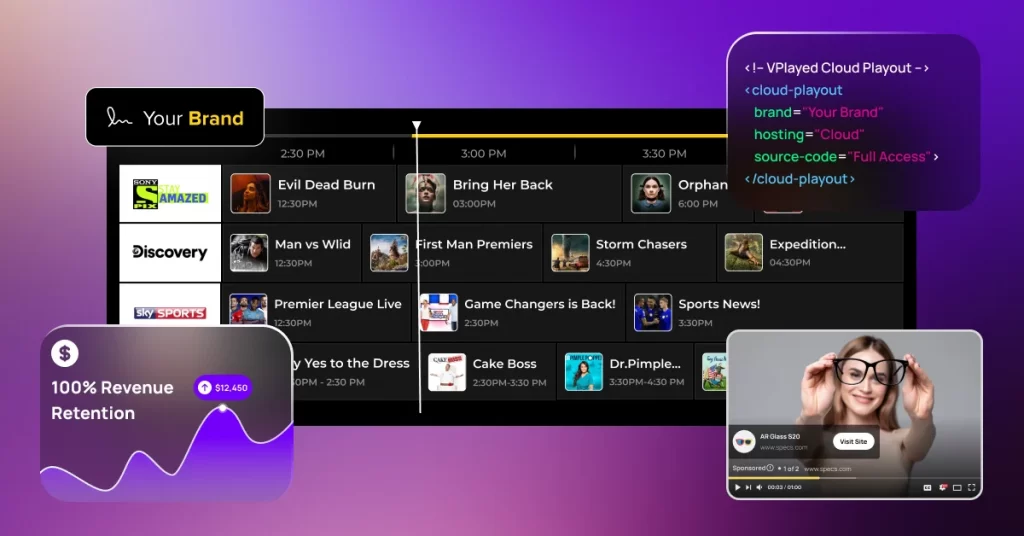
1. 100% Revenue Retention (Zero Revenue Splits)
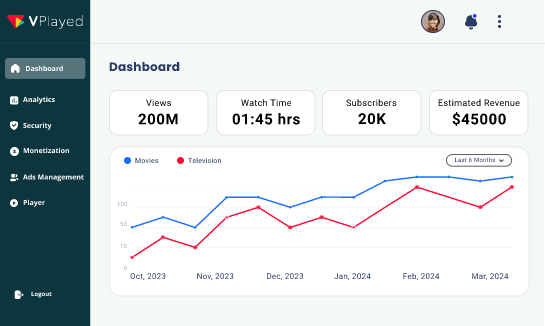
Unlike SaaS platforms, traditional OTT and FAST channel aggregators that take a chunk of your ad or subscription earnings, VPlayed works on a zero-revenue-share model. This way, broadcasters can retain 100% of their cloud playout monetization earnings across AVOD, SVOD, TVOD, or hybrid streams.
2. Full Source Code Access & White-Labeling
VPlayed offers white-labeling, which means enterprise broadcasters will have a clean slate to customize their playout software, maintain complete ownership of their intellectual property, and build brand identity from the outset. Media broadcasters get full access to source code, which allows them to add third-party integrations for customized workflows.
3. Flexible Hosting (Cloud, On-Premise, or Hybrid):
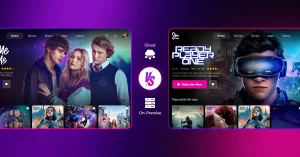
With VPlayed, broadcasters are not restricted to a single cloud vendor. VPlayed supports AWS, Google Cloud, Azure, and private cloud environment deployments. If needed, it also supports on-premises hardware deployment for data residency, security, and infrastructure compliance regulations.
4. Maximizing ROI via 10+ Monetization Models
Media owners can monetize their video libraries with 24/7 ad-supported FAST channels using SSAI and VAST/VMAP integrations. They can then remonetize the live feeds by archiving them as VOD via SVOD, TVOD, or hybrid models.
5. Multi-Screen & CTV Ecosystem Distribution
Media enterprises can ingest a cloud feed synchronously and broadcast linear streams across Smart TV platforms (Samsung TV Plus, LG Channels, Roku, Apple TV), mobile apps (iOS, Android), and web portals with automated EPG updates.
6. Enterprise-Grade Content Security & Rights Protection
Linear broadcasters need multi-DRM (Widevine, FairPlay, PlayReady), AES-256 encryption, geo-blocking, domain restrictions, and dynamic watermarking to protect their video library and live streaming. VPlayed offers robust content protection to comply with regional licensing terms using its multi-layer security.
7. Intelligent AI Automation & Centralized Media Management:
VPlayed offers built-in AI tools for automated metadata tagging and multi-language subtitling, which makes managing large-scale catalogs simple. It also supports automated scheduling with gap-filling, along with bulk video uploading.
Wrapping Up
Cloud playout has reshaped linear broadcasting by moving away from expensive, rigid master control hardware towards flexible, cloud-native workflows. Since the broadcast playout system virtualizes everything from schedule automation and worldwide multi-screen delivery to dynamic ad insertion, it gives media companies greater flexibility.
Sports networks, live event organizers, archival media owners, and OTT providers are adopting playout software to deliver content more efficiently. Whether launching FAST channels, online TV, or scaling your OTT catalogs, cloud TV playout lets you launch and monetize 24/7 channels faster than ever before and maximize long-term ROI.
As the demand for multi-screen linear streaming continues to surge, it has become a critical strategy and more than just a technical upgrade to move away from traditional infrastructure.
Media enterprises can meet these needs by partnering with a customizable, zero-revenue-split platform like VPlayed. It gives complete control over their source code and monetization, allowing them to shape their brand to an evolving streaming landscape.
- Request Demo Book a Live, Personalized Demo
- Contact Sales Reach Out to Our OTT Experts

Senior Analyst specializing in Online video platforms, OTT, VOD, and white label video streaming solutions. Expert in analyzing industry trends, technologies, and monetization strategies to help businesses optimize their streaming services. Passionate about innovation and the evolving digital video landscape.